Poor sleep affects far more than energy levels. It influences heart health, mood, cognition and metabolic balance. Patients who struggle with chronic fatigue, disrupted breathing at night or difficulty staying asleep often benefit from specialist assessment. The ENT Consultancy offers expert sleep disorder diagnosis and evidence‑based treatments to restore healthy, restorative rest.
Understanding Sleep Disorders
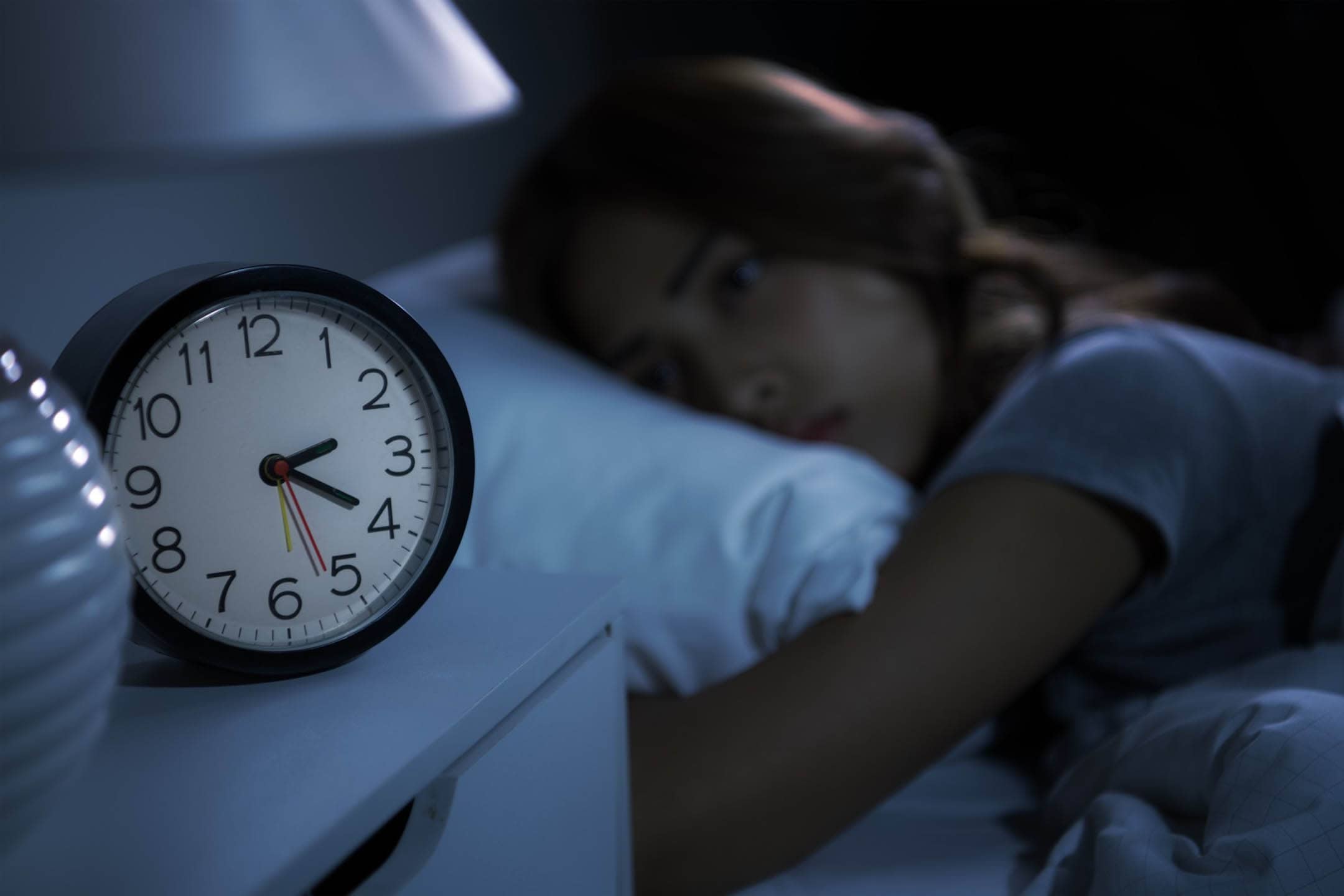
Sleep disorders disrupt normal sleep quality, timing or breathing, often leading to excessive tiredness or impaired concentration. The main categories include insomnia, obstructive sleep apnoea, restless legs syndrome, narcolepsy and parasomnias such as sleepwalking. Each has distinct causes and risks, from circadian rhythm disruption to airway collapse during sleep.
Accurate diagnosis is essential because poor sleep can significantly impact physical and mental health. Untreated sleep apnoea increases cardiovascular and blood pressure risk, while chronic insomnia raises the likelihood of anxiety and depression. Structured assessment, rather than guesswork, allows personalised management that improves long‑term outcomes and quality of life.
How Sleep Disorders Are Diagnosed
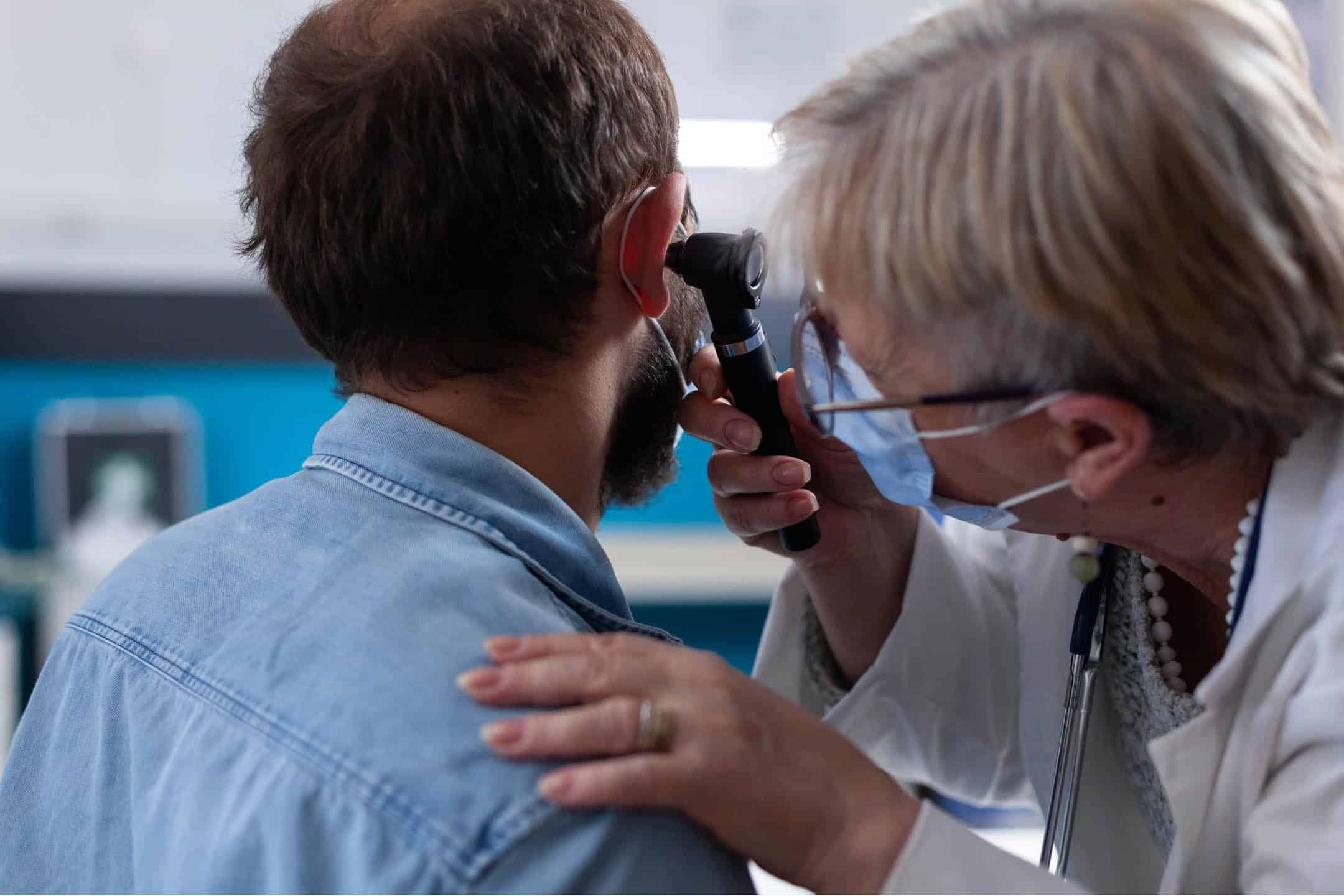
Diagnosis is a stepwise process involving a detailed clinical history and, where appropriate, objective testing in a sleep clinic.
Clinical Assessment and Sleep History
Assessment begins with an in‑depth discussion of sleep habits, snoring, breathing pauses, leg discomfort, medication use and emotional wellbeing. Bed partners often provide crucial information about snoring patterns and suspected apnoea events that patients themselves may not notice.
Sleep Diaries and Questionnaires
Many patients complete a two‑week sleep diary to document bedtime routines, awakenings and energy levels. Standard questionnaires, including the Epworth Sleepiness Scale, measure daytime sleepiness and help distinguish lifestyle factors from physiological causes.
Sleep Studies
A formal sleep study UK, known as polysomnography, is the gold standard for complex cases. It records brain waves, breathing, oxygen levels, heart rhythm and movement throughout the night. For patients with suspected obstructive sleep apnoea, home sleep studies may provide equally accurate results, while actigraphy wristwatches can help assess circadian rhythm disorders over several days.

Treatment Options by Condition
Once a diagnosis is confirmed, treatment is tailored to the type and severity of the condition, supported by expert monitoring and follow‑up.
Insomnia Treatment
The first‑line insomnia treatment is cognitive behavioural therapy for insomnia (CBTi), which targets unhelpful sleep habits and thought patterns. It outperforms long‑term use of sleeping tablets, which may be used short term only. Restoring regular sleep drive and positive associations with bedtime improves long‑term results.
Obstructive Sleep Apnoea Treatment
For obstructive sleep apnoea, continuous positive airway pressure (sleep apnoea CPAP) remains the gold‑standard therapy. CPAP delivers air pressure through a mask to keep the airway open, preventing oxygen dips and snoring. Weight management, positional therapy and mandibular advancement devices may also be prescribed, with consistent therapy reducing cardiovascular risk.
Restless Legs Syndrome
Restless legs treatment begins with identifying and correcting potential causes such as iron deficiency or medication side effects. Moderate to severe cases may respond to dopamine agonists or other neurological medications, while simple measures such as avoiding caffeine and improving sleep habits often help milder symptoms.
Narcolepsy and Hypersomnia
Narcolepsy and other hypersomnia disorders require specialist neurological support. Treatment typically combines wake‑promoting medication with structured napping schedules to stabilise alertness and reduce sleep attacks.
Lifestyle Adjustments That Support Treatment
Successful therapy for sleep disorders depends not only on medical intervention but also on sustainable changes to daily habits.
Sleep Hygiene Principles
Regular bed and wake times reinforce the body’s internal clock, improving sleep onset and quality. Reducing late‑night screen exposure helps lower blue‑light suppression of melatonin, a hormone critical for sleep regulation.
Weight and Metabolic Health
Maintaining a healthy weight reduces the likelihood of airway collapse in obstructive sleep apnoea. Even modest weight loss can significantly improve breathing at night and CPAP comfort, while better metabolic health supports overall energy balance.
Mental Health and Stress Management
Stress, anxiety and rumination interfere with relaxation and delay sleep onset. Techniques such as mindfulness, breathing exercises and talking therapies can calm the nervous system and enhance sleep stability long term.
When to Seek Specialist Referral
Certain symptoms require urgent assessment by a sleep clinic or ENT specialist. Loud snoring with witnessed breathing pauses, sudden sleep attacks, violent or unsafe movements during sleep, or persistent daytime sleepiness should never be ignored. Delaying diagnosis can allow underlying sleep apnoea or neurological conditions to go untreated.
Structured Assessment Leads to Effective Treatment
Sleep disorders are highly treatable with the right diagnostic pathway and targeted therapy. Accurate sleep disorder diagnosis, supported by sleep study testing, ensures the underlying cause is identified early. Whether the issue involves insomnia, apnoea, or another disorder, evidence‑based care restores healthy sleep patterns and protects long‑term neurological and cardiovascular health.
If you are struggling with poor sleep or suspect a sleep disorder, contact The ENT Consultancy today to arrange a specialist sleep assessment in Reading.