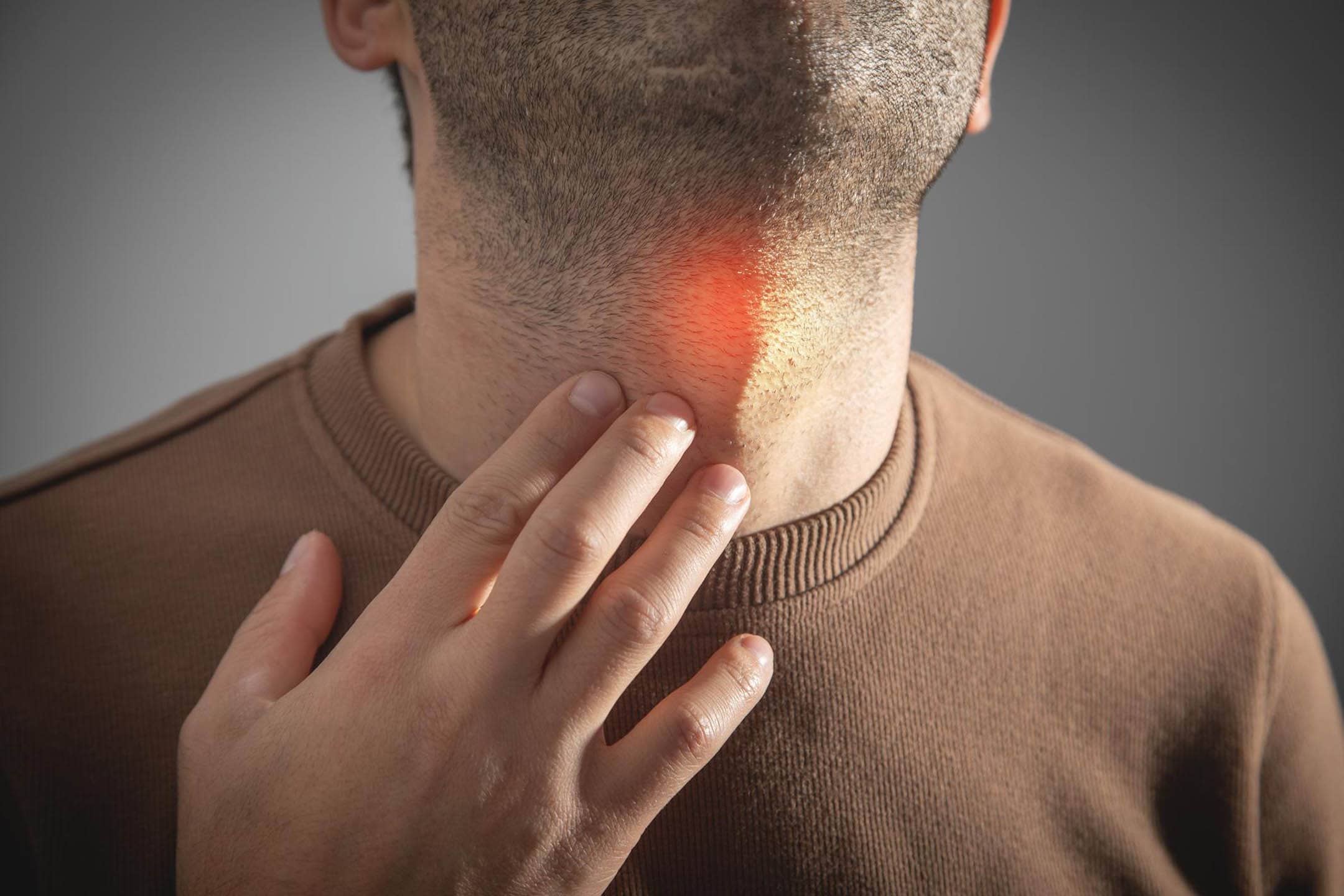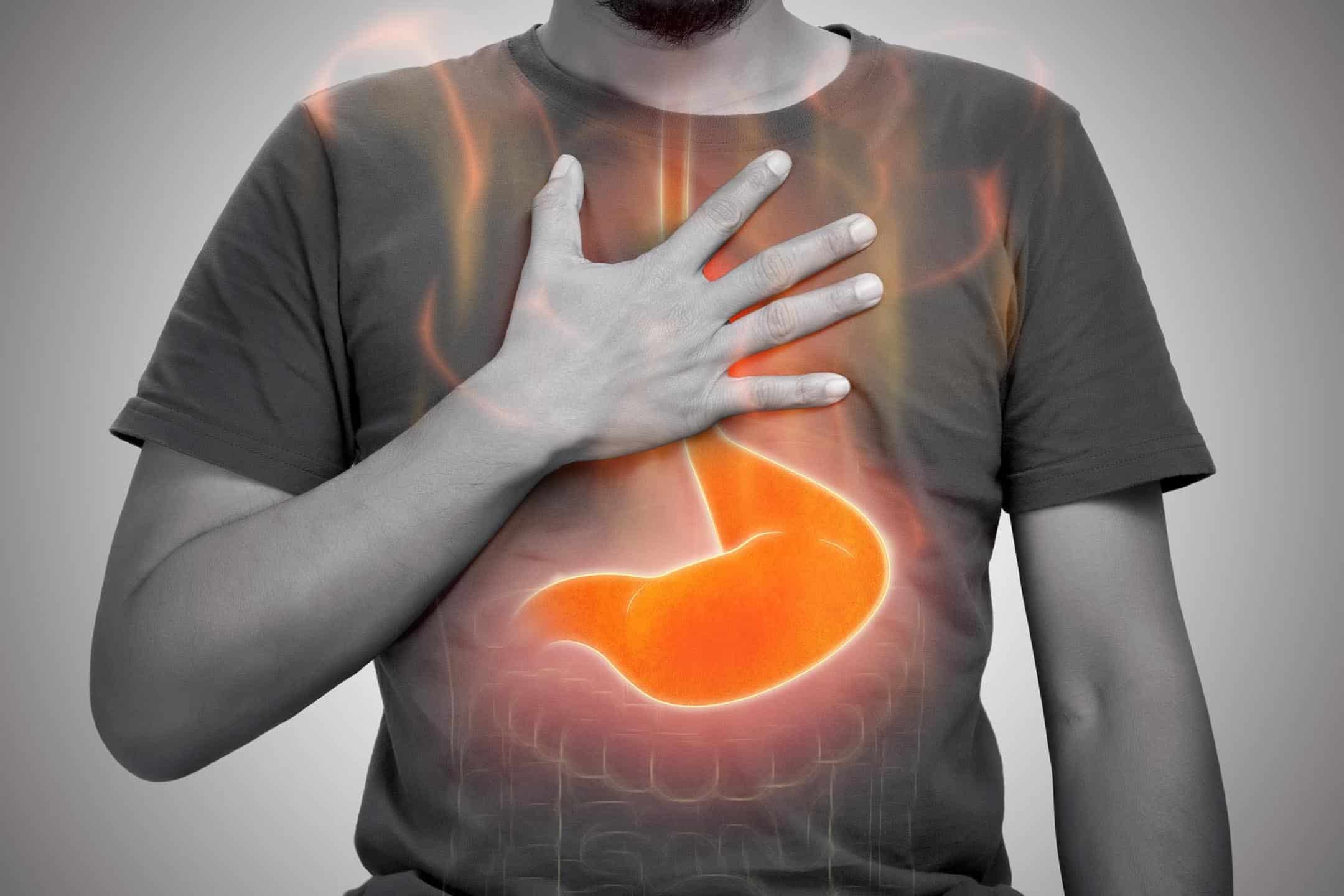
Gastro-oesophageal reflux disease (GORD) is a common condition where stomach acid flows back into the oesophagus, causing discomfort and irritation. While many associate GORD with heartburn, it can also cause a range of throat symptoms that are often overlooked. These symptoms can significantly affect quality of life and may require assessment by a reflux ENT specialist. Understanding how acid reflux impacts the throat, recognising the symptoms and knowing when to seek medical advice are essential steps towards effective management of this condition.
Understanding GORD and Its Impact on the Throat
During acid reflux, stomach acid escapes from the stomach and travels up the oesophagus. In typical GORD, this acid causes irritation primarily in the lower oesophagus, leading to symptoms like heartburn and indigestion. However, in some cases, acid reaches higher into the throat and voice box, a condition known as laryngopharyngeal reflux (LPR). LPR can cause throat-specific symptoms without the classic heartburn, making it harder to diagnose. The delicate tissues of the throat are more sensitive to acid, which can lead to inflammation and discomfort.
Common Throat Symptoms of GORD
| Symptom | What it feels like | Typical pattern in GORD | Why it happens |
|---|---|---|---|
| Persistent sore throat without infection | A sore, irritated throat without fever or swollen glands. | Often worse in the morning or after meals and does not respond to infection treatments. | Acid irritation inflames the throat lining. |
| Hoarseness or changes in voice | Raspy voice or noticeable changes in voice quality. | Fluctuates, often worse after reflux episodes or prolonged voice use. | Reflux-related inflammation affects the vocal cords. |
| Feeling of a lump in the throat (globus sensation) | Sensation of something stuck or tightness in the throat. | Persistent or intermittent, often noticed between meals. | Acid exposure causes irritation and altered throat sensation. |
| Chronic cough or throat clearing | Ongoing cough or frequent throat clearing. | Often worse at night or after eating. | Acid irritation triggers the cough reflex. |
| Difficulty swallowing or food sticking | Discomfort when swallowing or food feeling stuck. | Intermittent or progressive; can affect eating. | Swelling or narrowing caused by acid damage. |
Throat clearing and excess mucus can also be linked to postnasal drip so you may find our guide Postnasal Drip Symptoms: Constant Throat Clearing and Mucus Explained helpful in understanding the difference.

Triggers That Can Worsen Throat Symptoms
- Spicy, Fatty or Acidic Foods: Foods that are spicy, high in fat or acidic can relax the lower oesophageal sphincter or increase acid production, worsening reflux and throat irritation.
- Caffeine and Alcohol: Both caffeine and alcohol can irritate the throat and relax the valve between the stomach and oesophagus, increasing the risk of acid reflux.
- Late-Night Eating and Lying Down After Meals: Eating close to bedtime or lying down soon after meals allows acid to flow back more easily into the oesophagus, aggravating throat symptoms.
- Smoking: Smoking damages the throat lining and weakens the oesophageal sphincter, making reflux more likely and throat irritation considerably worse.
- Excess Weight or Pregnancy: Increased abdominal pressure from excess weight or pregnancy can push stomach contents upwards, increasing reflux episodes and throat discomfort.
When to Seek Medical Advice
If throat symptoms persist for more than a few weeks, it is important to seek medical advice. Difficulty swallowing, unexplained weight loss or severe, sudden onset of throat pain require urgent evaluation. Early consultation with a reflux ENT specialist can help diagnose the cause and prevent complications.
Diagnosis of GORD-Related Throat Symptoms
Trans-nasal oesophagoscopy is a minimally invasive diagnostic procedure using a flexible, thin scope passed through the nose. This technique enables specialists to identify issues relating to acid reflux. It is a quick and safe procedure, offering detailed visual insights into the upper digestive tract. Alongside trans-nasal oesophagoscopy, pH monitoring may also be used to measure acid levels in the oesophagus, providing comprehensive assessment of reflux severity.
Managing and Reducing Throat Discomfort
Management typically includes dietary adjustments such as avoiding trigger foods and eating smaller meals earlier in the day. Lifestyle changes such as weight loss, quitting smoking and elevating the head during sleep can reduce reflux episodes. Medications such as proton pump inhibitors or H2 blockers reduce acid production and promote healing of irritated tissues.
Taking Control of GORD Throat Symptoms
Symptoms caused by GORD can significantly impact daily life but are manageable with early recognition and appropriate throat treatment. Identifying key symptoms like persistent sore throat, hoarseness, globus sensation, chronic cough and swallowing difficulties is the first step. Avoiding known triggers and seeking assessment from a reflux ENT specialist can prevent long-term damage and improve comfort.
If you experience ongoing throat irritation or discomfort, contact The ENT Consultancy to arrange a consultation and personalised care plan.