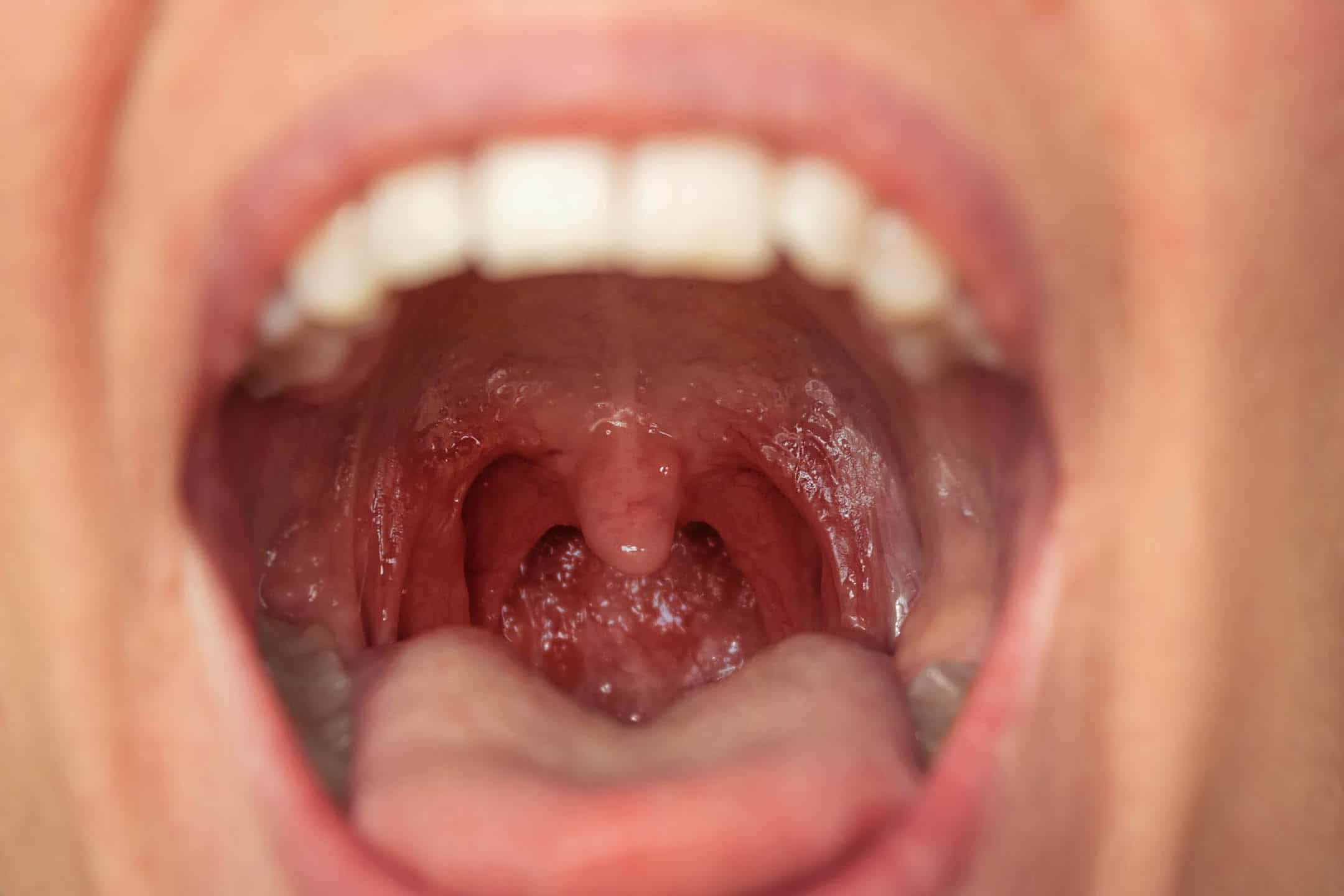
A sore throat is common, especially during colder months. Most are caused by viruses and settle within a few days. However, some sore throats are caused by a bacterial infection known as strep throat. Recognising strep throat symptoms is important because treatment and potential complications differ significantly from a typical viral sore throat.
What Is Strep Throat?
Strep throat is a bacterial infection caused by Group A Streptococcus. Unlike most sore throats, which are viral, strep throat is caused by bacteria and requires antibiotic treatment.
Understanding this distinction is essential. Viral sore throats improve on their own. Strep throat does not reliably resolve without antibiotics and can lead to complications if left untreated.
Classic Strep Throat Symptoms
Certain symptoms of strep throat are particularly characteristic and help distinguish it from a common viral infection.
Sudden Severe Sore Throat
Strep throat often begins abruptly. Many patients describe waking up with intense throat pain that worsens quickly.
Pain When Swallowing
Swallowing can become sharply painful. Eating and drinking may be uncomfortable, and children may refuse food.
High Fever
A temperature above 38.3°C is a common symptom. Fever tends to appear early in the illness and may be accompanied by chills.
Swollen Tonsils with White Patches
What does strep throat look like? On examination, the tonsils may appear red, swollen and covered in white patches or pus. This is one of the classic signs of strep throat.
Swollen Neck Glands
Tender lymph nodes in the neck are frequently present, particularly just beneath the jaw or along the sides of the throat.
The Key Differentiator: No Cough
The absence of cough is the most reliable clinical sign distinguishing strep from a viral sore throat.
Patients often ask, “How do I know if I have strep throat or just a sore throat?”
If you have a severe sore throat without a cough, runny nose or hoarseness, strep becomes more likely. If a cough is present, the infection is more likely viral.
This distinction is central when comparing strep throat vs sore throat caused by viruses.
Symptoms in Adults vs Children
Strep Throat Symptoms in Adults
Strep throat symptoms adults experience may be slightly milder than in children. Adults may still develop fever and severe throat pain, but gastrointestinal symptoms are less common.
Strep in Children
Children are more likely to have:
- High fever
- Nausea or vomiting
- Abdominal pain
- Headache
People often wonder, “Is my sore throat strep?” In children, sudden fever with severe throat pain and no cough should prompt medical review.
What Strep Throat Does Not Look Like
Understanding what strep throat is not can be equally helpful.
Symptoms that suggest a viral infection instead include:
- Cough
- Runny nose
- Hoarseness
- Conjunctivitis
- Gradual symptom onset
If these are present, it is less likely to be strep throat.
How Quickly Do Strep Throat Symptoms Appear?
Strep throat symptoms usually appear quickly, often within 2–5 days of exposure. The onset is typically sudden rather than gradual. Many patients can recall the exact day their throat pain began.
Can You Have Strep Throat Without Tonsils?
Yes. Although strep commonly affects the tonsils, individuals who have had a tonsillectomy can still develop strep throat because the infection involves the throat lining more broadly.
Can Strep Throat Go Away on Its Own?
Strep throat requires antibiotics. It does not reliably resolve without treatment. While symptoms may improve temporarily, the bacteria can persist and lead to complications.
Prompt antibiotic treatment shortens symptom duration, reduces contagiousness and lowers the risk of serious complications.
Risks of Untreated Strep Throat
Although uncommon in the UK, untreated strep throat can lead to serious complications.
Rheumatic Fever
Rheumatic fever is a rare but serious inflammatory condition affecting the heart, joints and nervous system. It can occur weeks after untreated strep infection.
Peritonsillar Abscess
A peritonsillar abscess is a collection of pus beside the tonsil. It causes severe throat pain, difficulty swallowing and sometimes difficulty opening the mouth.
Because of these risks, correct diagnosis and treatment are crucial.
Diagnosis: How Do You Know If You Have Strep Throat?
The only way to confirm strep throat is through professional testing.
Throat Swab
A throat swab can detect Group A Streptococcus bacteria. Rapid antigen tests may provide quick results, while standard cultures take longer but are highly accurate.
Clinical signs alone cannot guarantee diagnosis. This is why patients asking “How do you know if you have strep throat?” should seek assessment rather than self-diagnose.
Recurrent Strep Throat
Some individuals experience repeated episodes. Recurrent strep throat is typically defined as more than 3–4 episodes per year.
In these cases, ENT assessment may be recommended. Recurrent infections can significantly affect work, school attendance and overall quality of life.
Learn more about sore throat and tonsillitis and how these conditions overlap.
When to See a Specialist
Consider assessment from an ENT specialist if you experience:
- Recurrent confirmed strep throat
- More than 3–4 episodes per year
- Complications such as abscess
- Persistent symptoms despite treatment
If you are unsure whether your symptoms reflect infection or inflammation, reviewing common tonsillitis symptoms may also help clarify patterns.
For patients with frequent strep throat, the question often becomes whether surgery is appropriate. You can explore this further in our article on do you really need your tonsils removed.
If tonsillectomy is advised, understanding tonsillectomy recovery time can help with planning and ease worry.
Recognising When a Sore Throat Needs More Attention
Most sore throats are mild and self-limiting. However, classic strep throat symptoms such as sudden severe pain, fever, swollen tonsils with white patches and no cough should prompt medical assessment.
Strep throat requires antibiotics and does not reliably resolve without treatment. Recurrent infections may indicate the need for ENT review.
If you are experiencing frequent throat infections or severe symptoms, our ENT specialists can provide expert evaluation and personalised advice.
Book a consultation to discuss your symptoms and whether further investigation or treatment is appropriate.
Frequently Asked Questions
- How Do I Know If I Have Strep Throat or Just a Sore Throat?
A sudden severe sore throat with fever and no cough suggests strep. Gradual symptoms with cough and runny nose suggest viral infection.
- Does Strep Throat Always Cause White Patches?
Not always, but white patches on swollen tonsils are common signs of strep throat.
- What Happens If Strep Throat Is Left Untreated?
It can lead to complications such as rheumatic fever or peritonsillar abscess.
- Should I See an ENT for Recurrent Strep Throat?
Yes. Recurrent episodes may warrant specialist assessment and discussion of tonsillectomy.