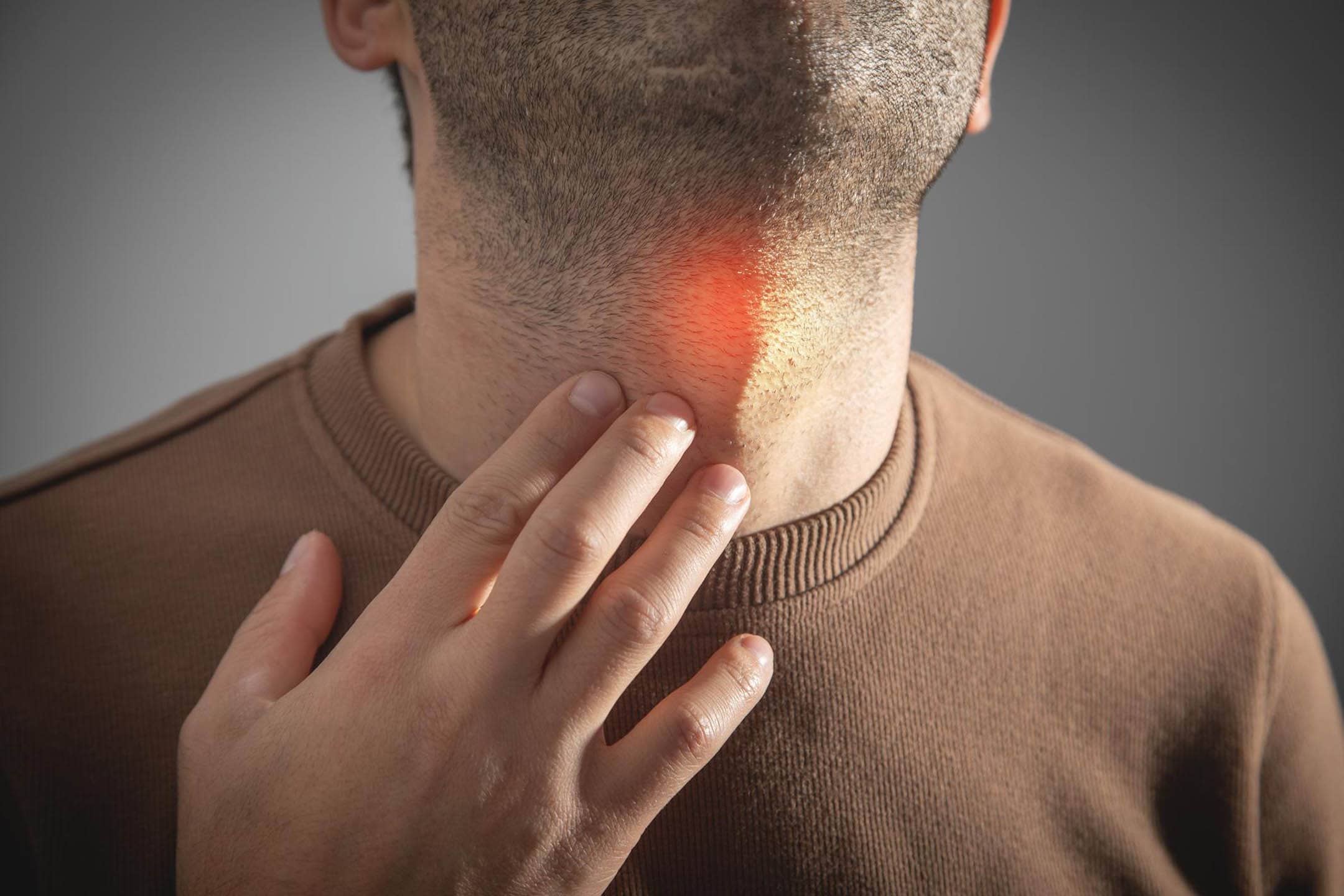
Tonsillectomy surgery, the removal of the tonsils, is a common procedure for both children and adults. It is typically carried out to treat recurrent tonsillitis, breathing issues or obstructive sleep apnoea. While the surgery itself is relatively short, recovery can take time and varies from person to person. Factors such as age, overall health and adherence to post-operative care all affect how smoothly and quickly someone recovers. On average, most people return to normal activities within two weeks, but understanding what to expect at each stage can help make the healing process more manageable.
Immediate Recovery: The First 24 Hours
What Happens Post-Surgery
After tonsillectomy surgery, patients are monitored in a recovery area until the effects of anaesthesia wear off. In some cases, particularly with children, an overnight hospital stay may be advised. Otherwise, patients are usually discharged the same day with instructions on managing pain, hydration and rest at home.
Common Symptoms in the First Day
In the first 24 hours, it’s normal to experience throat pain, drowsiness from the anaesthetic and more rarely nausea or vomiting. Some people also feel mild ear pain due to shared nerve pathways. Often, patients may feel groggy or disoriented. It’s essential to rest under the care of a responsible adult.
The First Week: Managing Pain and Healing
Expected Pain Levels and Management
The first week after a tonsillectomy can be uncomfortable. Throat pain is often significant, especially when swallowing, and can sometimes radiate to the ears. Pain medication, usually paracetamol or ibuprofen, is advised to help manage discomfort. Taking medication regularly, even before pain returns, can help keep symptoms under control.
Eating and Drinking
Hydration is crucial after tonsillectomy surgery. Patients are encouraged to drink plenty of fluids, even if swallowing is painful. Soft, cool foods such as yoghurt, ice cream, jelly and soups are typically recommended, while hot, crunchy or spicy foods should be avoided to reduce irritation and bleeding risk.
Activity and Rest
Rest is a major part of recovery. Patients should plan to stay home from work, school or strenuous activities for at least a week. Gentle activities around the house are usually fine, but anything that raises heart rate or involves heavy lifting should be avoided to reduce the risk of bleeding.
Second Week: Signs of Progress
Pain Reduction and Scab Formation
By the second week, throat pain usually begins to subside, although some discomfort may persist, particularly around the ears. A normal part of healing is the formation of white or yellow scabs over the tonsil area. These scabs will naturally fall off around days 7 to 10, sometimes causing slight fresh bleeding. Keeping hydrated and following care advice will support this stage of recovery.
When to Resume Normal Activities
Most people can gradually resume light normal activities in the second week, such as returning to school or desk-based work. However, it’s still advisable to avoid high-impact exercise, swimming or long-distance travel until cleared by your surgeon, typically after the two-week review.
Full Recovery: What to Expect After Two Weeks
Long-Term Healing
Although visible recovery from a tonsillectomy usually takes around 10 to 14 days, internal healing can continue for several weeks. The throat tissues will gradually remodel and sensations like dryness or mild tightness may persist during this time. Good hydration and vocal rest help support full recovery.
Complications or Delays
While most recoveries are smooth, some people experience complications. Warning signs include fresh, heavy bleeding, increasing pain after initial improvement, high fever or signs of infection such as foul breath and pus. If you experience any concerning symptoms, it is important to seek medical advice immediately.
Factors That Affect Recovery Time
Age Differences
Recovery after tonsillectomy surgery can differ between children and adults. Children often bounce back more quickly, sometimes within a week to 10 days, while adults may experience more pain and a slightly longer recovery period due to differences in healing capacity and pain perception.
Individual Health and Lifestyle
A patient’s general health significantly affects recovery. Those with chronic conditions, compromised immune systems or smokers may experience slower healing. Maintaining a healthy lifestyle, stopping smoking before surgery, and following all aftercare instructions can support a faster recovery.
When to Seek Medical Advice
It’s important to contact your surgeon or ENT clinic if you experience heavy bleeding (more than a few small drops), persistent high fever, difficulty swallowing fluids, signs of dehydration or worsening pain beyond 10 days. Prompt medical advice can prevent minor issues from becoming serious complications.
Recovery in a Nutshell
Most people recover from tonsillectomy surgery within 10 to 14 days, with children often healing a little faster than adults. While some discomfort is to be expected, gradual improvement is the norm, and complications are rare when aftercare advice is followed.
Rest, hydration and carefully following your doctor’s instructions are key to a smooth recovery. If you’re planning or recovering from tonsillectomy surgery, know that expert support is available at The ENT Consultancy. We help you regain your health and comfort safely.