Discovering a lump under the skin can be worrying, but many are harmless growths such as lipomas. A lipoma is one of the most common benign soft‑tissue lumps and is usually painless and slow growing. Understanding lipoma symptoms and how they differ from other causes of lumps helps you decide when to check a lump and when to seek medical assessment.
What a Lipoma Is
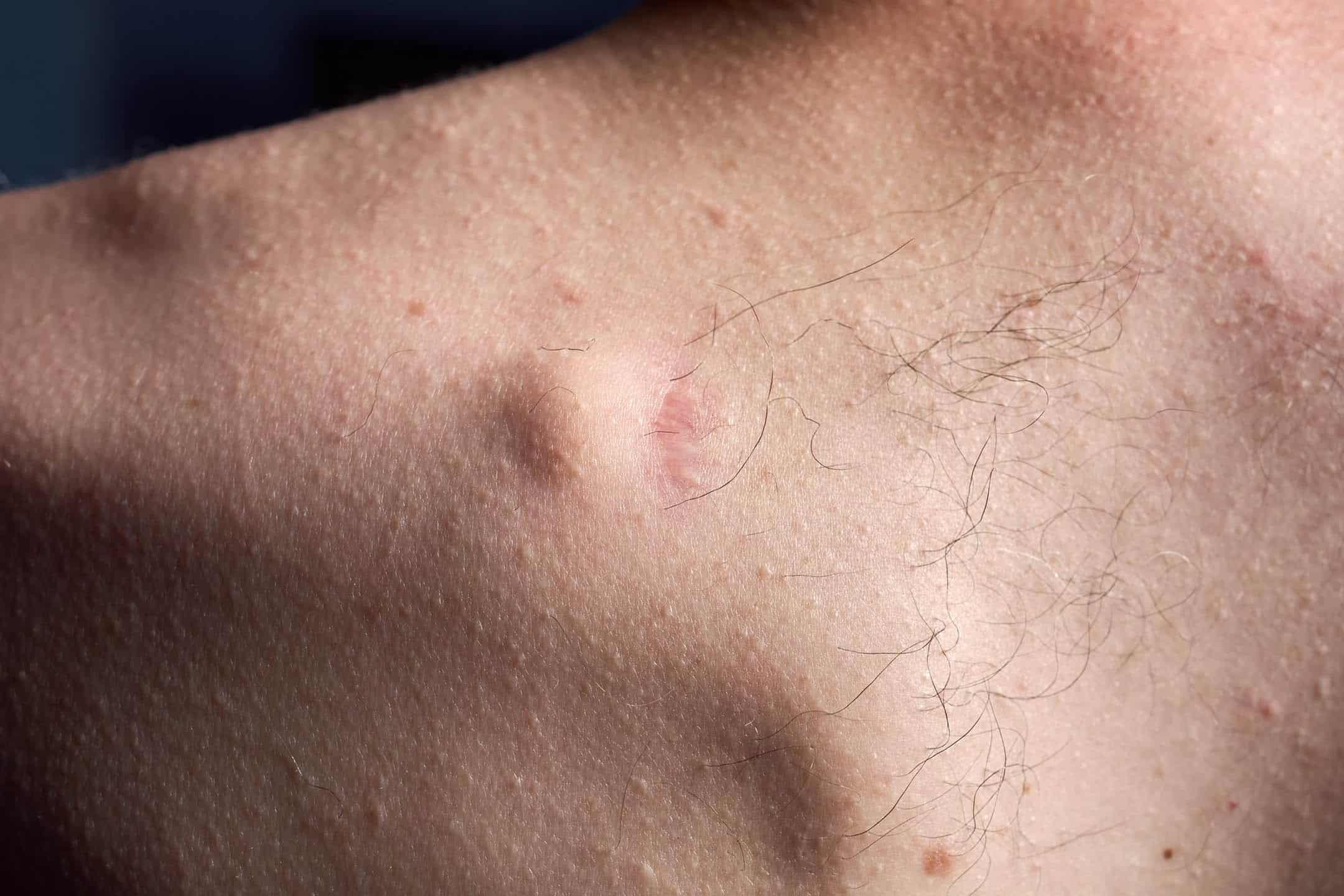
A lipoma is a benign (non‑cancerous) growth made up of mature fat cells that sit just beneath the skin. These soft lumps under the skin grow slowly over months or years and usually remain harmless. They do not spread to other parts of the body and typically do not develop into cancer.
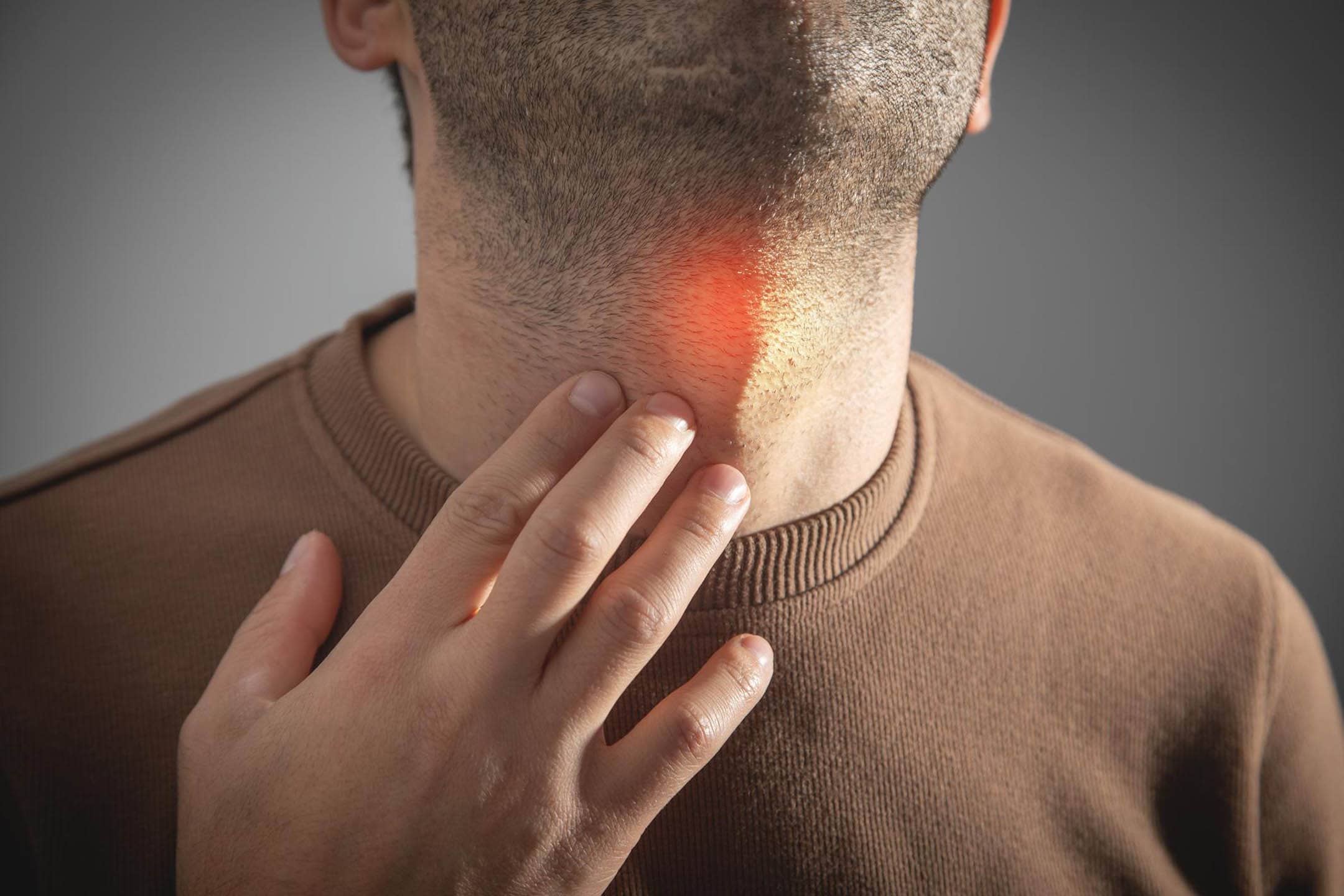
Lipomas can appear anywhere on the body where fatty tissue is present. Common locations include the shoulders, upper back, arms, thighs and neck. They may also occur on the trunk or chest wall, and occasionally more deeply within muscle tissue.
Typical Features of a Lipoma
Recognising typical lipoma features is key for reassurance before seeking a fatty lump diagnosis from a doctor.
Soft and Mobile Texture
Lipomas feel soft and rubbery and may move slightly under the skin when pressed. This mobility helps distinguish them from firmer or more fixed lumps that suggest other causes.
Slow Growth Pattern
These benign lumps usually enlarge gradually over months or even years. They rarely grow quickly, so a rapid increase in size is a reason to seek review.
Usually Painless
Most lipomas are painless, although some can cause discomfort or tenderness if they press on nearby nerves or develop in an area where movement pulls on the tissues around them.
How Lipomas Differ from Other Lumps
Not every soft lump under skin is a lipoma. Several other conditions can look or feel similar.
Lipoma vs Cyst
When comparing lipoma vs cyst, the main differences are texture and movement. Cysts tend to be firmer, may have a central pore, and can feel tense or fluctuant due to fluid inside. By contrast, lipomas are solid, soft and lack a visible opening.
Lipoma vs Abscess
An abscess is a pocket of infection beneath the skin. These lumps are usually red, warm, painful and may pulse or ooze discharge. Unlike lipomas, abscesses develop quickly and often require drainage and antibiotics.
Lipoma vs More Serious Tumours
Although uncommon, some malignant tumours can feel similar to lipomas at first. Warning signs include rapid growth, a hard or irregular surface, fixation to deeper tissue or size larger than 5 cm. Any of these features should prompt urgent medical assessment.
When Medical Assessment Is Needed
Red‑flag symptoms that warrant professional review include fast or ongoing growth, persistent pain, hard texture, or a lump that sits deep beneath the muscle. Any lesion that changes suddenly or becomes inflamed should also be checked.
Doctors may recommend imaging such as ultrasound or MRI if the diagnosis is uncertain, if the lump feels deep or firm, or if surgical removal is being considered. Imaging helps confirm whether it is a lipoma and excludes alternative diagnoses.
How Doctors Confirm a Lipoma
A simple consultation with a specialist is often enough for reassurance and diagnosis, but further tests may occasionally be needed.
Physical Examination
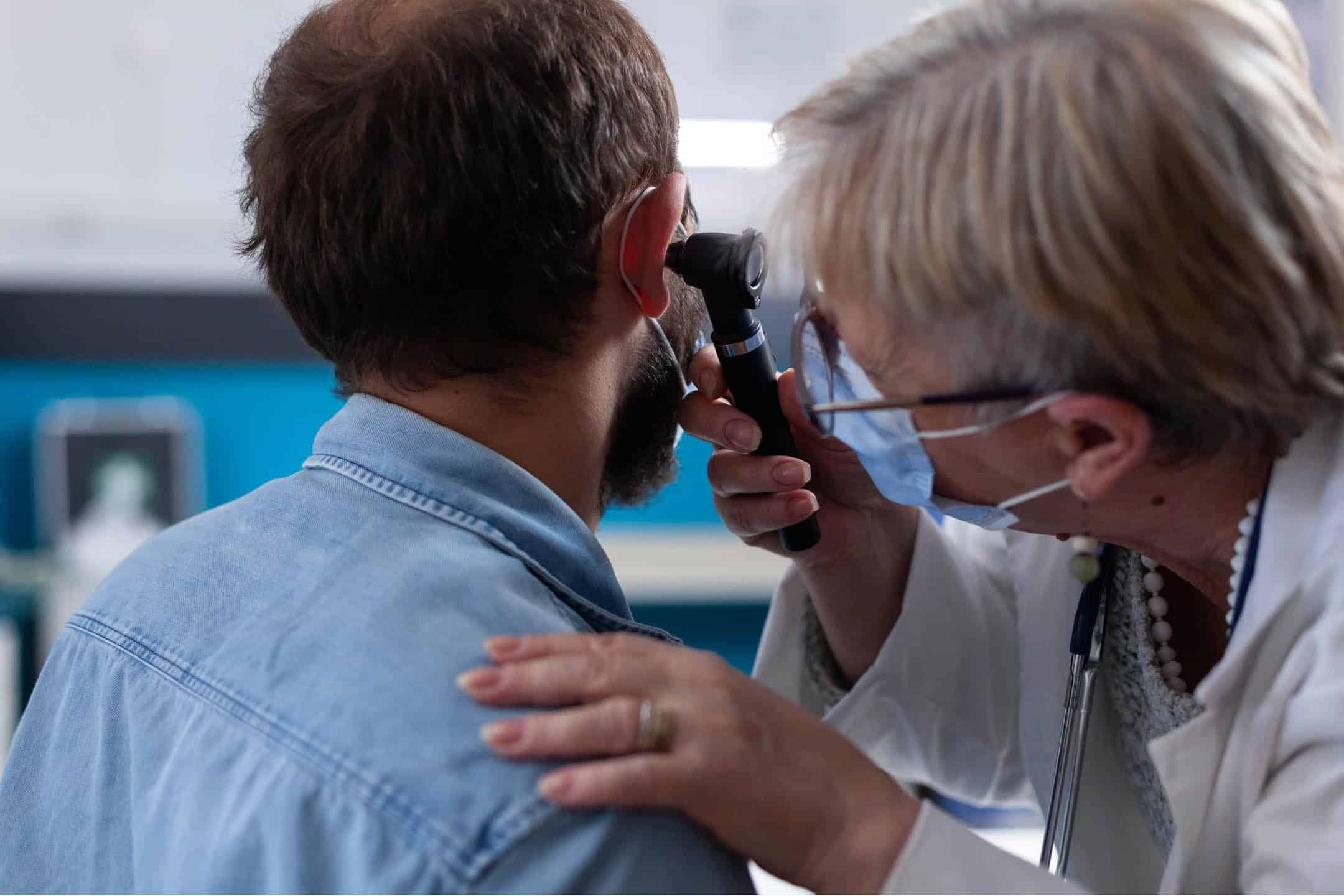
Your clinician will examine the lump, checking its size, texture, mobility and location. They will also ask about growth timing, discomfort and family history, as certain people have a genetic tendency to develop multiple lipomas.
Imaging and Biopsy
Ultrasound imaging is typically sufficient to confirm a lipoma and rule out other conditions like cysts or vascular lesions. If features are atypical or uncertain, a small tissue biopsy may be taken for laboratory analysis before planning removal.
Treatment and Removal Options
Lipomas do not always require treatment. Removal is most often recommended for cosmetic reasons, discomfort, rapid enlargement or diagnostic uncertainty. In these cases, surgical excision provides both confirmation of diagnosis and lasting relief.
Minor lipoma removal is usually performed under local anaesthetic. The procedure involves a small incision to remove the fatty tissue followed by rapid healing, with minimal downtime. Most people return to daily activities within a day or two.
Do Not Self Diagnose
While many soft, slow‑growing lumps are harmless lipomas, accurate diagnosis is essential for peace of mind and safety. Only a qualified clinician can confirm a fatty lump diagnosis and rule out more serious conditions. If you notice any new or changing lump under your skin, make an appointment for when to check a lump and receive reassurance through proper assessment.
If you have a persistent or new lump and want reassurance, contact The ENT Consultancy today for a professional evaluation and advice on the most appropriate next steps.