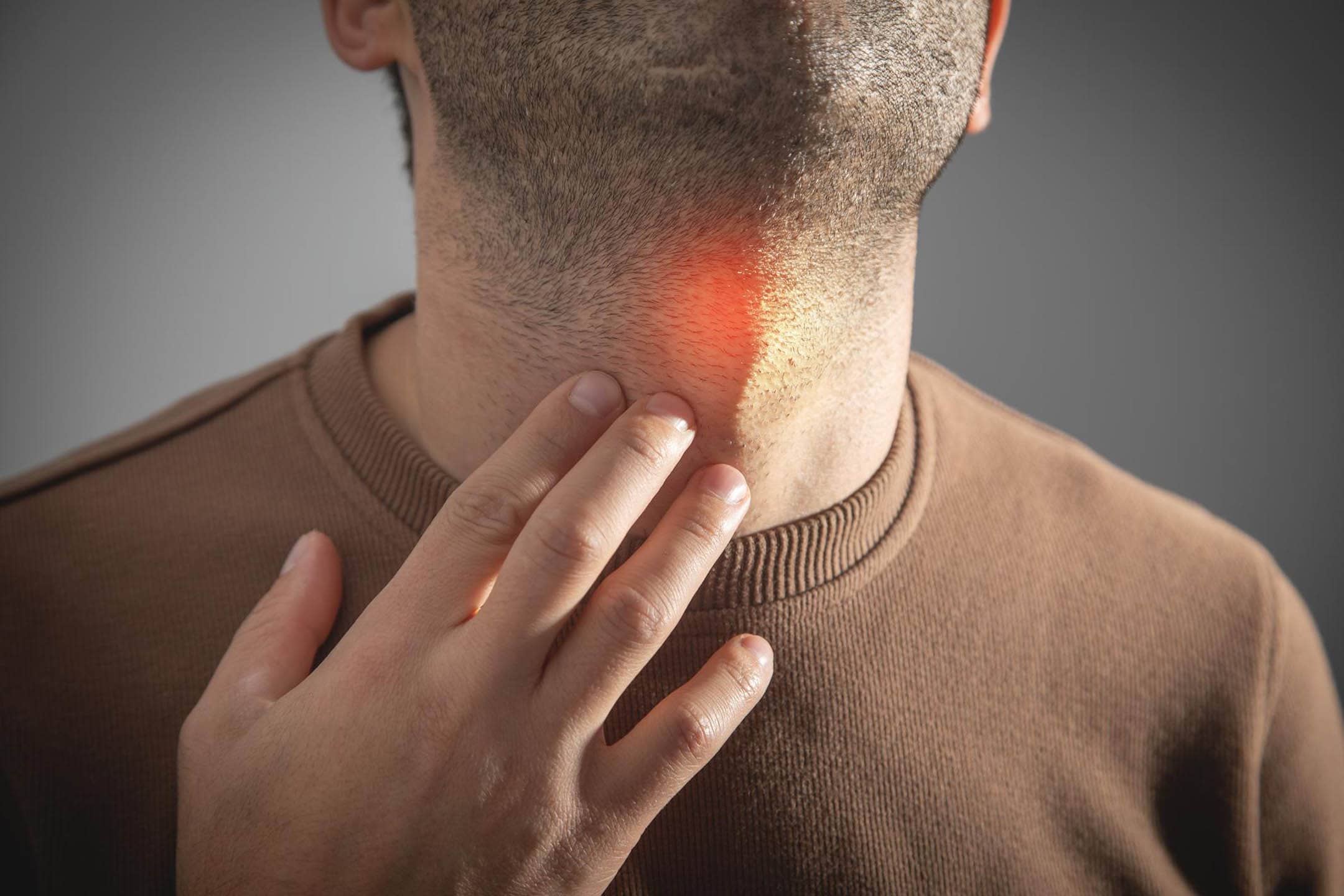
Loss or distortion of smell can significantly affect daily life, impacting taste, safety and overall wellbeing. Anosmia, the complete loss of smell, and hyposmia, a partial reduction in smell, are conditions commonly treated by ENT specialists. Early anosmia treatment is crucial to improve recovery chances and prevent long-term complications. Understanding the symptoms, causes and treatment options can help you recognise when to seek expert medical attention.
What Loss or Distortion of Smell Means
Anosmia refers to the complete loss of the sense of smell. This condition not only diminishes the ability to detect odours but also affects taste, making food less enjoyable and potentially leading to nutritional issues. Additionally, anosmia can pose safety risks, such as being unable to smell smoke, gas leaks or spoiled food.
Hyposmia is a partial loss of smell where scents are less intense or harder to detect. This can interfere with daily activities, sometimes causing frustration or social withdrawal.
Early anosmia treatment improves recovery rates by addressing underlying causes promptly. Timely intervention can reduce inflammation, clear blockages or manage infections, increasing the likelihood of regaining normal smell function.
Common Symptoms ENT Specialists Treat
Ongoing Loss of Smell or Distortion (Parosmia)
Patients may experience persistent loss of smell or distorted perceptions of odours, known as parosmia, where familiar smells become unpleasant or altered.
Difficulty Tasting Food and Drink
Since smell contributes significantly to taste, loss or distortion of smell often leads to reduced enjoyment of food and difficulty distinguishing flavours.
Constant Nasal Blockage or Congestion
Chronic nasal congestion or blockage can impair airflow and prevent odours from reaching the olfactory receptors, contributing to smell loss.
When to Visit a Loss of Smell Clinic
If you experience persistent or worsening smell loss, distortion or related symptoms lasting more than two weeks, visiting a specialised loss of smell clinic can provide accurate diagnosis and targeted treatment.
Causes Requiring ENT Assessment
Viral Infections Such as Cold, Flu or COVID-19
Viral infections are a common cause of smell loss. COVID-19 can also be associated with sudden anosmia. These infections may cause inflammation within the nose or affect the olfactory system. For more information about smell and taste loss after a cold, see our related guide.
Chronic Sinusitis Requiring Sinus Treatment
Long-term sinus inflammation (sinusitis) can block nasal passages and damage smell receptors, necessitating medical or surgical treatment.
Nasal Polyps and Structural Nasal Issues
Growths like nasal polyps or anatomical abnormalities can obstruct airflow and impair smell, often requiring ENT intervention.
Head or Facial Injury
Trauma to the head or face can damage the olfactory nerves or brain areas responsible for smell, leading to anosmia or hyposmia.
Neurological Conditions Affecting Smell
Certain neurological diseases, such as Parkinson’s or Alzheimer’s, may cause smell loss as an early symptom, warranting specialist evaluation.
When to Book an ENT Consultation
You should book an ENT (Ear, Nose and Throat) consultation if you notice a loss or distortion of your sense of smell, especially if it lasts longer than a few weeks. While temporary changes can happen with colds, allergies, or sinus infections, persistent problems may point to underlying issues such as nasal polyps, chronic sinus disease, or other conditions affecting the nasal passages. An ENT specialist can assess the cause, run any necessary tests, and recommend treatment to help restore or protect your sense of smell.

How an ENT Diagnoses Smell Disorders
Nasoendoscopy allows direct visual examination of the nasal passages and olfactory region to identify blockages or abnormalities. Smell identification tests assess the degree of hyposmia or anosmia by measuring the ability to recognise different odours. Imaging techniques such as CT or MRI scans may be used to rule out serious causes like tumours or neurological conditions.
ENT Treatment Options for Smell Loss
Medication for Sinus and Nasal Inflammation
Anti-inflammatory medications, including nasal steroids, can reduce swelling and improve airflow; aiding smell recovery.
Nasal Polyps Surgery to Restore Airflow and Smell
Surgical removal of nasal polyps or correction of structural issues can restore nasal passage function and improve smell.
Smell Rehabilitation and Sensory Training Exercises
Olfactory training involves repeated exposure to specific scents to stimulate nerve regeneration and improve smell perception. For further information on clinical treatments and lifestyle support for smell recovery, see our related guide.
Tailored Anosmia Treatment Plans
ENT specialists develop personalised treatment plans based on individual diagnosis, combining medical, surgical and rehabilitative approaches.
Benefits of Early ENT Intervention
Early intervention by an ENT specialist leads to higher recovery rates and helps prevent long-term or permanent smell damage. Prompt treatment restores safety by enabling detection of hazards and supports nutritional health through improved taste and appetite.
Book a Consultation with Our Loss of Smell Clinic
During your first visit to The ENT Consultancy’s loss of smell clinic, you can expect a thorough assessment and smell testing. Our experienced ENT team will listen carefully to your symptoms and medical history to develop a personalised treatment plan.
Contact The ENT Consultancy today to book your consultation and take the first step towards effective treatment.