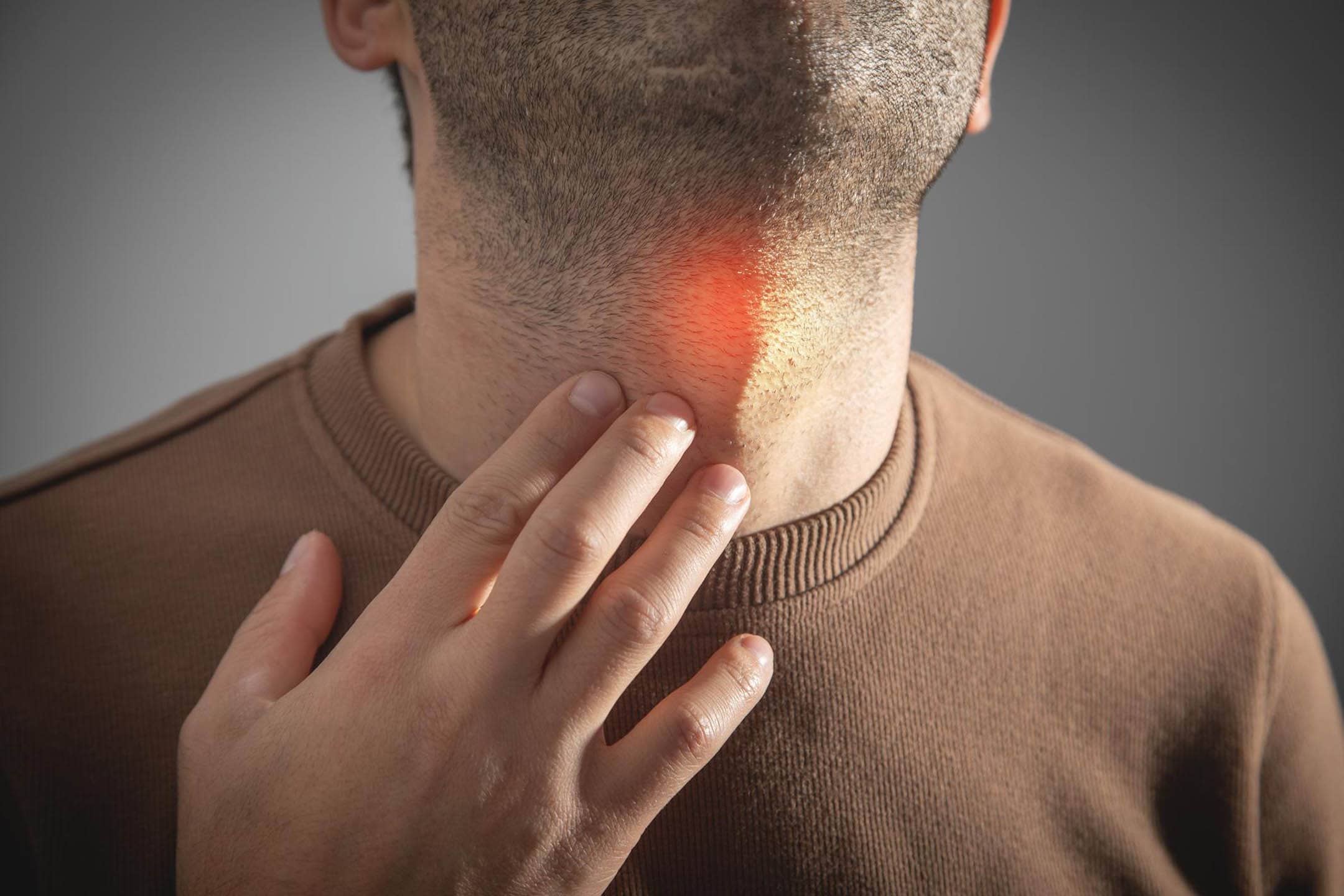
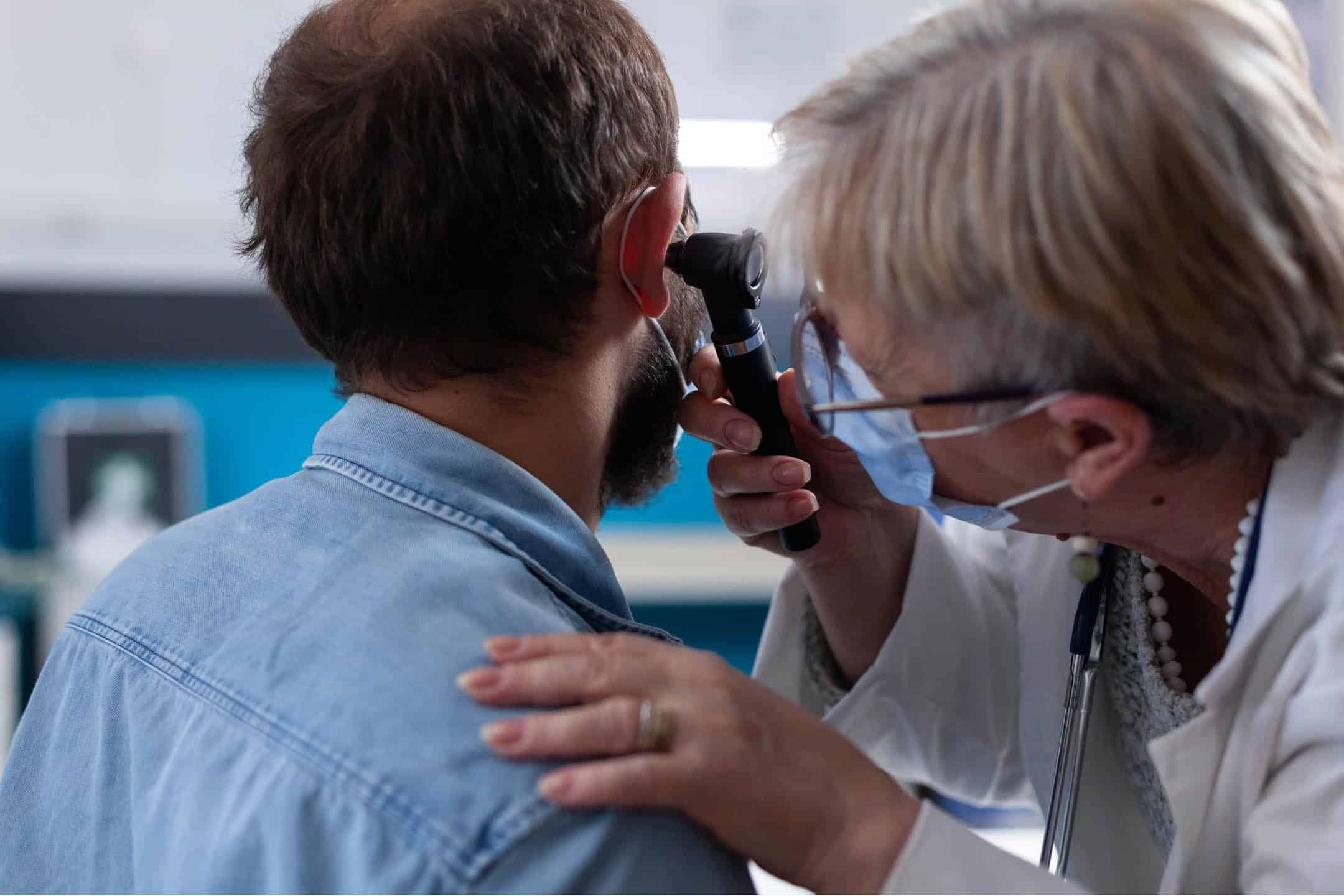
Recovery after throat cancer surgery is a gradual process that involves physical healing, rehabilitation and emotional adjustment. Every patient’s experience is different, depending on the type of operation performed, the extent of the cancer, and their general health before surgery. While the journey can be demanding, early preparation and consistent support from the medical team make recovery achievable and meaningful.
Understanding Throat Cancer Surgery
Throat cancer surgery aims to remove the tumour while preserving vital functions such as breathing and swallowing whenever possible. The surgical approach depends on tumour size, location and whether it has spread to nearby tissues or lymph nodes. Operations may include:
- Partial laryngectomy – removal of part of the voice box
- Total laryngectomy – complete removal of the voice box
- Pharyngectomy – removal of part of the throat (pharynx)
- Neck dissection surgery – removal of lymph nodes or surrounding tissue in the neck
Removal of the voice box changes breathing and speech permanently, while smaller resections may allow preservation of a natural voice. Each technique is tailored to balance cancer control with maintaining quality of life.
Immediately after surgery, patients experience noticeable physical changes. Common effects include pain, swelling and difficulty swallowing. Temporary feeding tubes may be used to allow the throat to heal safely. If a total laryngectomy is performed, patients will breathe through a permanent opening (stoma) in the neck instead of via the mouth or nose.
The First Days in Hospital
The first days after surgery focus on airway protection and wound healing. Patients are carefully monitored in hospital until the surgical team is confident that swallowing and breathing are stable.
Intensive Monitoring and Airway Care
Airway protection is always the priority after throat surgery. Patients are closely observed for signs of bleeding, infection, airway obstruction or difficulty breathing. Specialist nurses ensure the stoma is clean and patent in cases of laryngectomy recovery, while oxygen and humidified air are used as needed.
Nutrition and Feeding Support
Because swallowing is initially difficult, nutrition is maintained through a feeding tube, either through the nose (nasogastric) or directly into the stomach (PEG tube). This helps maintain strength and hydration while allowing tissues to heal. A speech and language therapist later supervises the safe reintroduction of oral intake through structured swallowing rehabilitation.
Pain and Wound Management
Pain control is carefully managed through prescribed medication and local care. Surgical drains may be used to remove excess fluid, and sutures or staples are monitored to ensure proper neck dissection healing. Most neck incisions heal well within a few weeks, though scar tightness or stiffness can persist temporarily.
Speech and Communication After Surgery
Voice changes are one of the most significant aspects of throat cancer surgery recovery. When the larynx (voice box) is removed, air no longer passes through the vocal cords, meaning the natural voice is lost. This can feel overwhelming at first and often requires both physical and emotional adjustment.
Speech rehabilitation focuses on restoring communication. Options include:
- Voice prosthesis: Placed during or after surgery to create speech using airflow from the lungs.
- Oesophageal speech: Uses air swallowed from the mouth to produce sound.
- Electrolarynx devices: Generate external vibrations that create a mechanical voice tone.
Structured speech therapy after throat cancer is crucial for improving clarity and social interaction over time.
Swallowing and Eating Recovery
Swallowing function is often affected by surgery or radiotherapy. The muscles that coordinate swallowing may become weaker or less coordinated, increasing the risk of aspiration (when food or fluid enters the airway). Speech and language therapists carry out detailed swallowing assessments and prescribe targeted exercises to rebuild strength and coordination.
Dietary progression follows a staged plan. Patients typically start with liquids, then progress to soft foods, and eventually return to normal textures as healing progresses. Timing depends on factors such as surgical extent, muscle function and postoperative recovery speed.
Emotional and Psychological Recovery
Recovery is deeply emotional as well as physical. Visible changes such as scars or a neck stoma can affect body image and self‑confidence. Adjusting to altered speech or breathing patterns may cause frustration or anxiety. Counselling and peer support help with regaining self‑esteem and confidence.
Structured support from specialist ENT consultants, speech therapists, psychologists and cancer support groups helps patients and families adapt to new routines. Healing involves the mind as much as the body.
Long Term Recovery Timeline
Recovery after throat cancer surgery continues for months or even years. Each stage brings gradual improvement and adaptation.
What Improves Over Months
With therapy and consistent follow‑up, strength, swallowing ability and communication steadily improve. Scar tissue becomes softer, neck stiffness eases, and confidence in speaking and eating returns. Energy levels gradually increase as the body adjusts and nutrition stabilises.
Possible Long Term Effects
Some long‑term effects can persist. These may include dry mouth, altered taste, mild swallowing difficulty or permanent voice change. A degree of stiffness in the neck or shoulders is common following neck dissection healing. With time and rehabilitation, many patients regain independence and a meaningful quality of life.
When to Seek Medical Advice
After discharge, ongoing monitoring is vital. Contact your surgical team immediately if you experience any of the following:
- Fever or signs of infection
- Wound redness or swelling
- Breathing difficulty
- Problems swallowing or inability to eat
- Any bleeding from the mouth, stoma, or neck
Prompt communication ensures complications are managed early and safely.
Recovery Is Structured, Not Instant
Throat cancer surgery recovery is a demanding process, but progress builds with structured support. Healing depends on careful follow‑up, multidisciplinary therapy and patient engagement. With clear guidance and practical strategies, patients can regain independence and communication piece-by-piece.
If you have questions about recovery after throat cancer surgery or would like guidance on speech and swallowing rehabilitation, contact The ENT Consultancy to arrange a specialist review and personalised aftercare support.