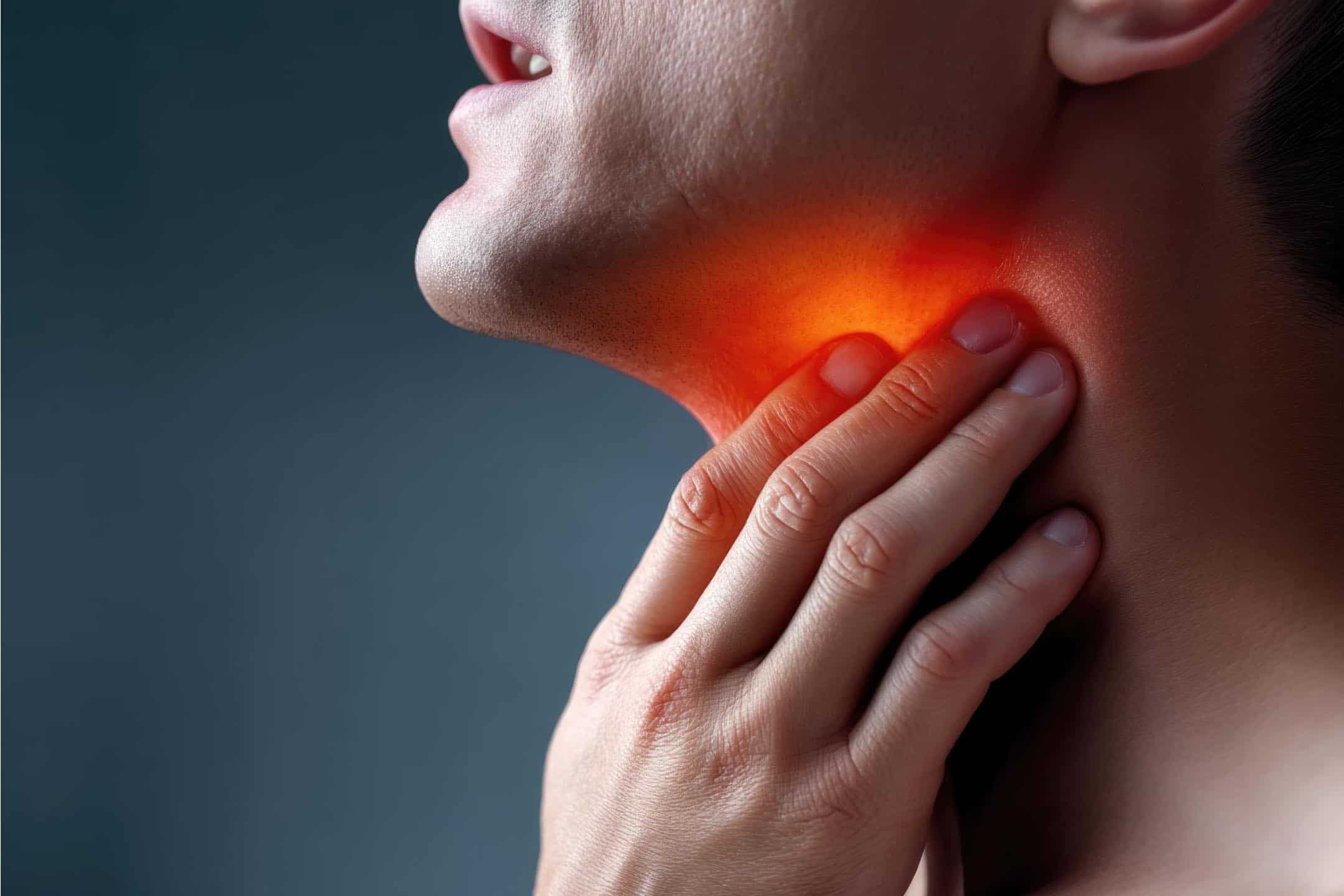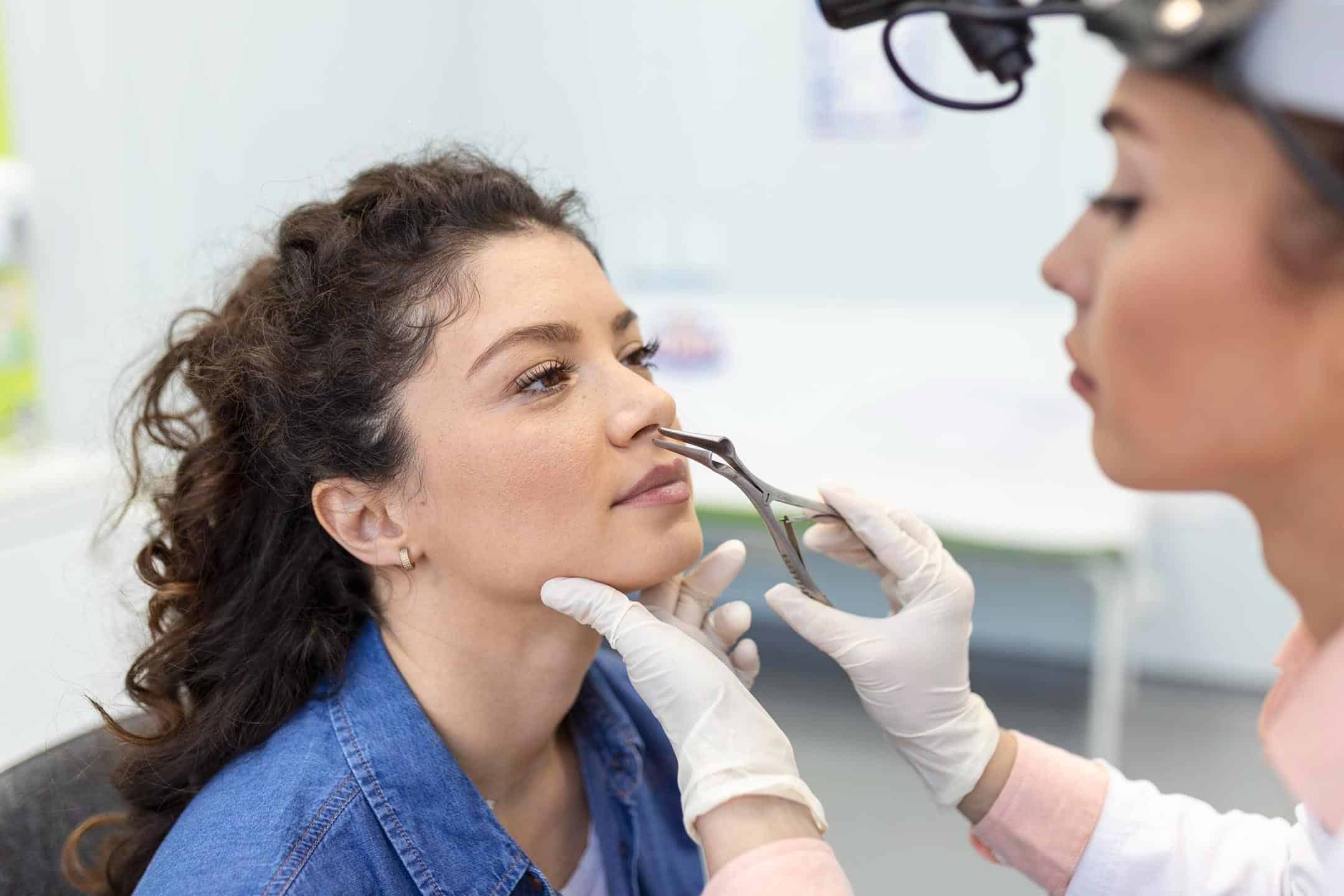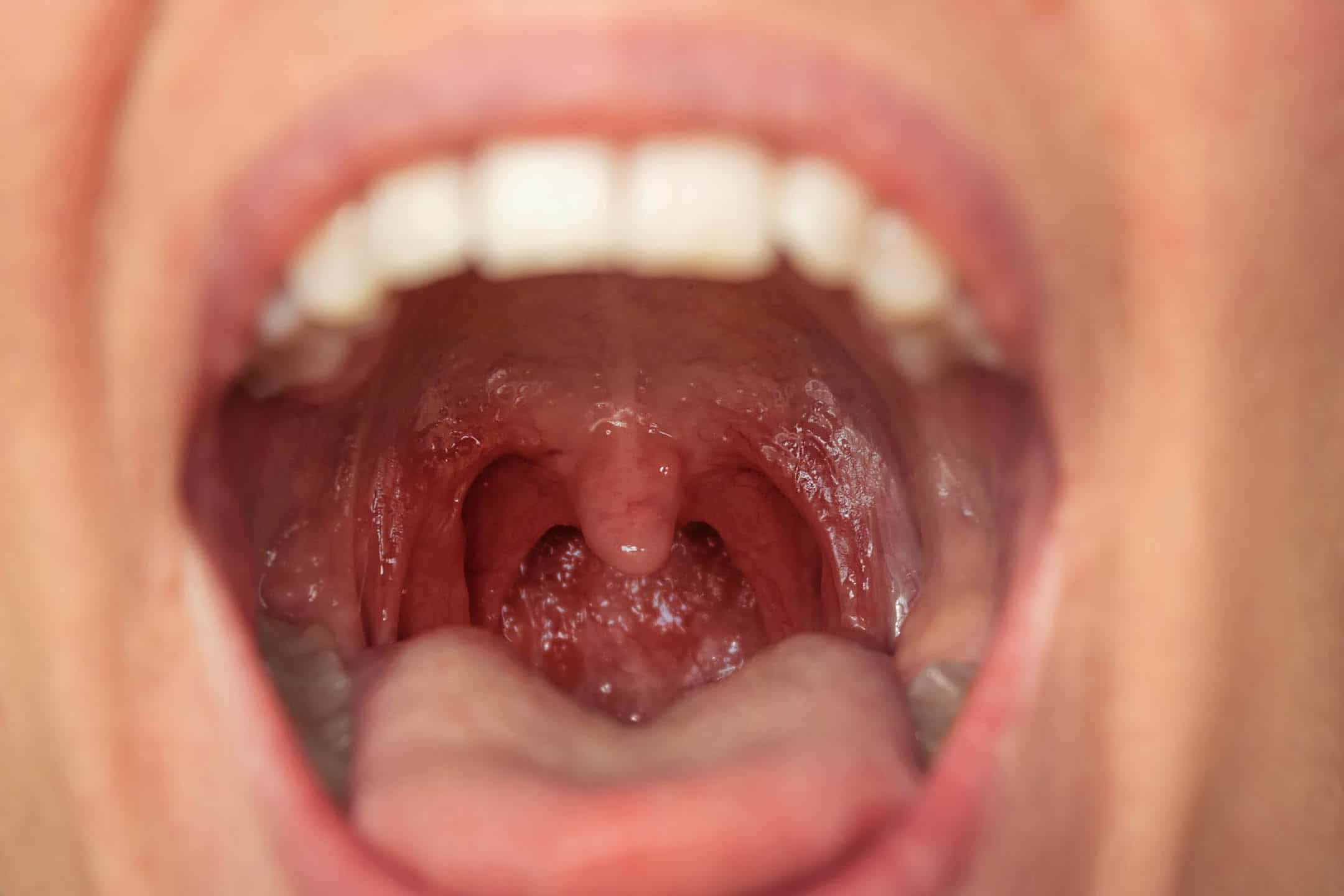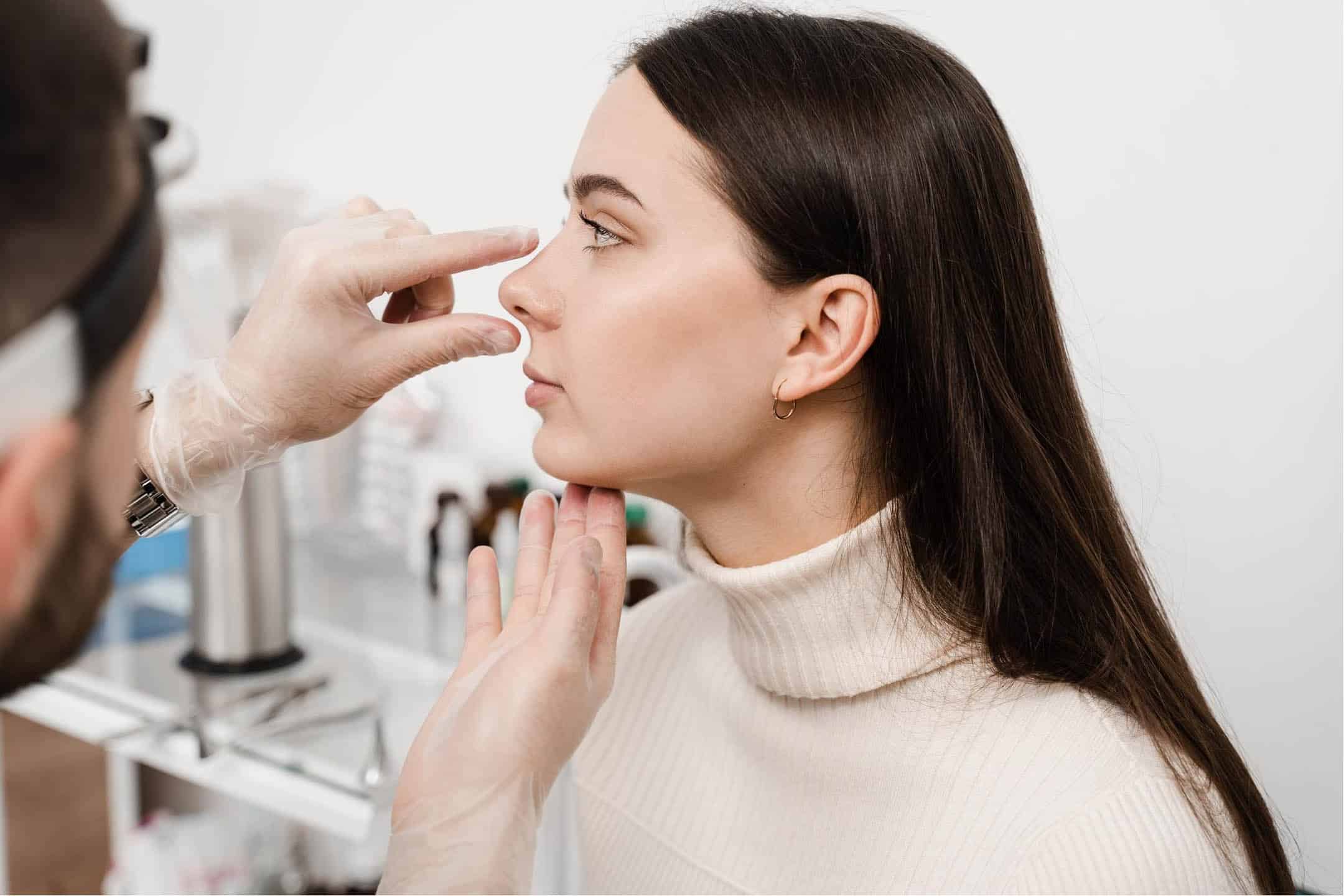
Septoplasty is performed to correct the misaligned cartilage and bone that divide the nasal passages – medically known as a deviated septum. When the septum is significantly displaced, it can block airflow and contribute to chronic nasal obstruction, sinus issues, and disrupted sleep. If you are considering septoplasty, understanding septoplasty recovery is often the deciding factor.
What Septoplasty Corrects
Septoplasty is designed to straighten the nasal septum and improve airflow through the nose. It does not change the external shape of the nose unless combined with rhinoplasty. Most patients undergo septoplasty to relieve symptoms related to a deviated septum, including blocked breathing, recurrent sinus problems, or disturbed sleep.
You can learn more about related nose conditions on our dedicated page.
The Day of Surgery: Immediate Recovery
Understanding what to expect immediately after septoplasty helps reduce anxiety.
Waking Up After Surgery
Septoplasty is usually performed under general anaesthetic. When you wake up, your nose will feel blocked. This is normal. Swelling and, in some cases, splints or light nasal packing temporarily restrict airflow.
Some patients ask, “How long is nose packing in after septoplasty?” Modern techniques often use internal splints rather than heavy packing. If splints are placed, they are typically removed at a follow-up appointment around 1–2 weeks after surgery.
The First Few Hours
In the hours proceeding surgery, you may experience:
- Nasal congestion
- Mild bleeding or blood-stained discharge
- Pressure across the nose
- Mild headache
Pain is usually manageable with simple analgesia. Significant bruising is uncommon with isolated septoplasty, as this procedure focuses internally.
Breathing after septoplasty will not feel improved immediately. In fact, it may feel worse for a few days due to swelling. This is temporary.
Week 1: Swelling, Congestion, and Rest
The first week is the most noticeable phase of septoplasty recovery.
Swelling and Blocked Sensation
Internal swelling peaks in the first 5–7 days. It is common to feel heavily congested. Patients often ask, “When can I breathe normally after septoplasty?” The answer varies, but improved breathing usually begins once early swelling reduces.
Sleeping Position
Sleep with your head elevated using extra pillows. This reduces swelling and pressure.
Pain and Medication
Pain is generally mild to moderate. Regular saline sprays may be recommended as part of septoplasty aftercare to keep the nasal lining moist and prevent crusting.
Activity Restrictions
During week one:
- Avoid bending forward excessively
- Avoid heavy lifting
- Do not blow your nose
Nose blowing is off-limits for at least 2–3 weeks after surgery. Blowing too early can cause bleeding and disrupt the healing process.
Week 2–4: Gradual Improvement
By the second week, many patients begin noticing subtle improvements to their deviated septum symptoms.
Splint Removal
If internal splints were placed, they are usually removed at a follow-up appointment around 1–2 weeks post-operatively. Removal is quick and significantly improves comfort.
Early Breathing Improvements
As swelling decreases, breathing after septoplasty begins to feel clearer. Improvement is gradual rather than immediate. Some days may feel better than others.
Returning to Work
A common question is, “When can I return to work after septoplasty?”
Most patients return to desk-based work within 1–2 weeks. Physical jobs may require 3–4 weeks off.
Septoplasty recovery time varies depending on individual healing and job demands.
Month 1–3: Continued Healing
Although patients often feel substantially better after a few weeks, deeper internal healing continues.
Long-Term Swelling Resolution
Internal swelling reduces progressively over 3–6 months. This means breathing continues to improve throughout this period.
Patients often wonder how long septoplasty takes to heal. Initial healing occurs within weeks, but full resolution of internal swelling can take up to six months.
Breathing Improvements
Breathing improvement is the primary goal of deviated septum surgery recovery. By 2–3 months, most patients experience noticeably improved airflow compared to pre-surgery.
What to Avoid During Septoplasty Recovery
Proper septoplasty aftercare is essential to protect healing tissues.
Avoid Nose Blowing
Do not blow your nose for at least 2–3 weeks. If you need to clear your nose, gently sniff instead.
Avoid Contact Sports
Contact sports should be avoided for 4–6 weeks. Even minor trauma can disrupt healing.
Exercise Restrictions
When can I exercise after septoplasty?
- Light walking is encouraged within a few days.
- Moderate exercise may resume after 2–3 weeks.
- Strenuous activity and heavy lifting should wait 4–6 weeks.
Wearing Glasses
If glasses rest heavily on the nasal bridge, discuss this with your surgeon. Most septoplasty procedures do not affect external structure, but caution is advised.
Signs of Complications to Watch For
Septoplasty recovery is usually straightforward, but patients should be aware of warning signs.
Speak to your clinic if you experience:
- Persistent heavy bleeding
- Fever
- Increasing facial pain
- Foul-smelling discharge
- Sudden worsening of breathing
Mild congestion is normal. Severe symptoms are not.
Frequently Asked Questions
How Long Does It Take to Recover from Septoplasty?
Most patients feel significantly improved within 2–3 weeks. Full internal healing continues for several months.
What Should I Expect Immediately After Septoplasty?
Expect congestion, mild bleeding and pressure. Breathing initially feels blocked due to swelling.
When Can I Breathe Normally After Septoplasty?
Breathing typically begins to improve within 1–2 weeks as swelling reduces. Full improvement develops gradually over 3–6 months.
Will I Have Bruising After Septoplasty?
Bruising is minimal with isolated septoplasty because the procedure is performed internally.
When Can I Return to Work?
Desk work is usually possible within 1–2 weeks. Physically demanding work may require 4–6 weeks.
Can I Blow My Nose After Septoplasty?
No. Nose blowing should be avoided for at least 2 weeks.
When Can I Exercise?
Light activity can resume within days. More intense exercise after 3–6 weeks depending on healing.
Understanding the Recovery Journey After Septoplasty
Septoplasty recovery requires patience. Early congestion can feel discouraging, but this is temporary and expected. As swelling subsides, breathing gradually improves. Most patients report meaningful airflow improvement within weeks, with continued gains over several months.
If you are considering septoplasty, our ENT specialists in Reading provide expert consultations personalised to your symptoms and goals. Get in touch to book an appointment and discuss whether surgery is right for you.