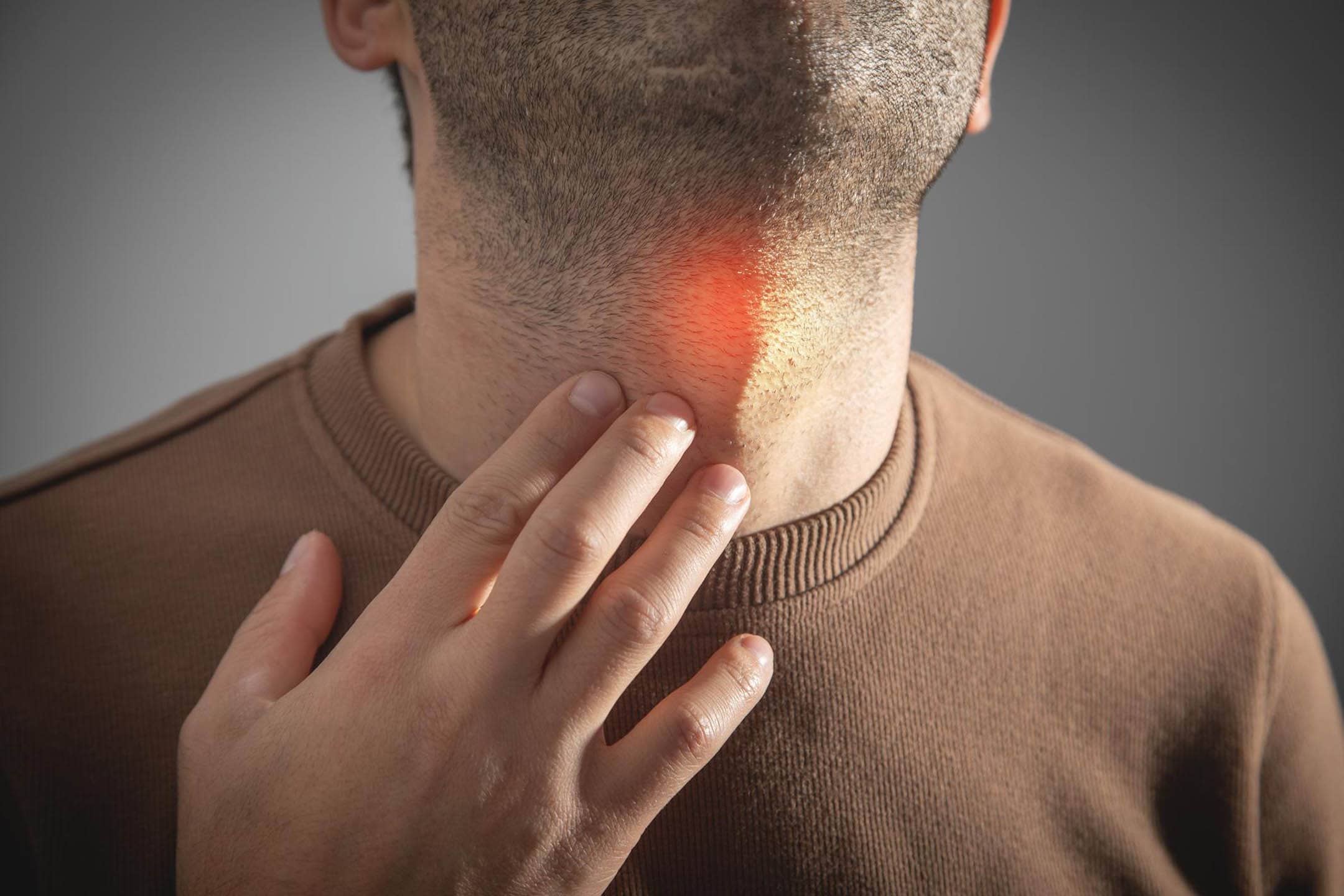
Throat clearing can be more than a reflex. For some people it’s driven by stress, anxiety, or learned habit, proof that what happens in the mind often shows up in the body. Understanding this link explains why a small behaviour can become persistent and frustrating, and how to break the cycle.
First things first: rule out medical causes
Before calling throat clearing “psychogenic,” check common physical drivers. These are frequent and treatable:
- Post-nasal drip from colds, sinusitis, or allergies
- Reflux/LPR (acid or non-acid)
- Asthma or airway irritation
- Vocal overuse or poor technique
- Medications (e.g., ACE inhibitors)
- Infection or environmental irritants (dry air, smoke, dust)
If these are excluded or treated and the urge remains, psychology and behaviour are likely maintaining the symptom.
How the mind–body loop works
Stress and anxiety tighten muscles in the neck and around the larynx and change breathing patterns. That tension can create a lump-in-the-throat feeling (globus) or mild irritation. Clearing the throat brings a moment of relief but it also irritates the tissues and trains the brain to repeat the behaviour. The result is a loop:

Triggers that keep the habit going
These triggers don’t “cause” throat clearing on their own, they prime the system. When tension, dryness, or irritation are present, the throat feels scratchy or tight, and the brain learns that clearing brings brief relief. Noticing when urges spike helps you swap in gentler responses (sip, swallow, nasal breathe) before the loop takes hold.
- Stress spikes, difficult conversations, performance pressure
- Long speaking days, speaking over noise, shouting
- Dry air, dehydration, caffeine, alcohol, spicy or reflux-provoking meals
- Recent colds/allergy seasons
- Perfectionism and body-monitoring (“Is my voice clear?”)
Break the loop: practical steps
Breaking the throat-clearing loop means replacing the quick “relief” of clearing with habits that calm the throat and nervous system instead of irritating them. Start small, act consistently, and track progress: simple swaps reduce irritation in the moment, daily routines lower the background triggers, and targeted therapies address the underlying tension and anxiety that keep the habit alive.
Quick swaps
- Sip water or swallow instead of clearing.
- Breathe through the nose; use a gentle “silent cough” or a soft hum if you must.
- Use a microphone or reduce volume rather than pushing your voice.
Daily tactics
- Use a humidifier; limit caffeine and late spicy meals.
- Schedule “no-clear” intervals (e.g., 10 minutes on/5 off) and extend them each day.
- Track clears per day and aim for a weekly 20% reduction.
Targeted therapies
- Speech therapy: retrains voice use and lowers laryngeal tension.
- CBT/mindfulness: reduces anxiety, perfectionism, and urge-driven behaviour.
- Medical input: treat reflux, allergies, or other contributors in parallel.
When to seek professional help
Book an assessment if throat clearing:
- Lasts more than 3–4 weeks
- Worsens with speaking or disrupts work, sleep, or social life
- Comes with red flags: persistent hoarseness, pain, swallowing difficulty, weight loss, coughing blood, or breathing trouble
The bottom line
Throat clearing often reflects a tight feedback loop between stress, muscle tension, and learned behaviour. Break the loop by addressing both sides: treat physical contributors and retrain the habit with behavioural and voice strategies.
Ready for relief?
Contact The ENT Consultancy to schedule an appointment. We’ll rule out medical causes, assess voice and breathing patterns, and create a tailored plan, combining medical care, speech therapy, and anxiety-management strategies to help you cut the habit and protect your voice.
Don’t wait to find comfort. Contact us to schedule an appointment with a trusted ENT specialist at The ENT Consultancy. Our team offers personalised assessment and treatment plans to support you in overcoming anxiety throat clearing and related symptoms.