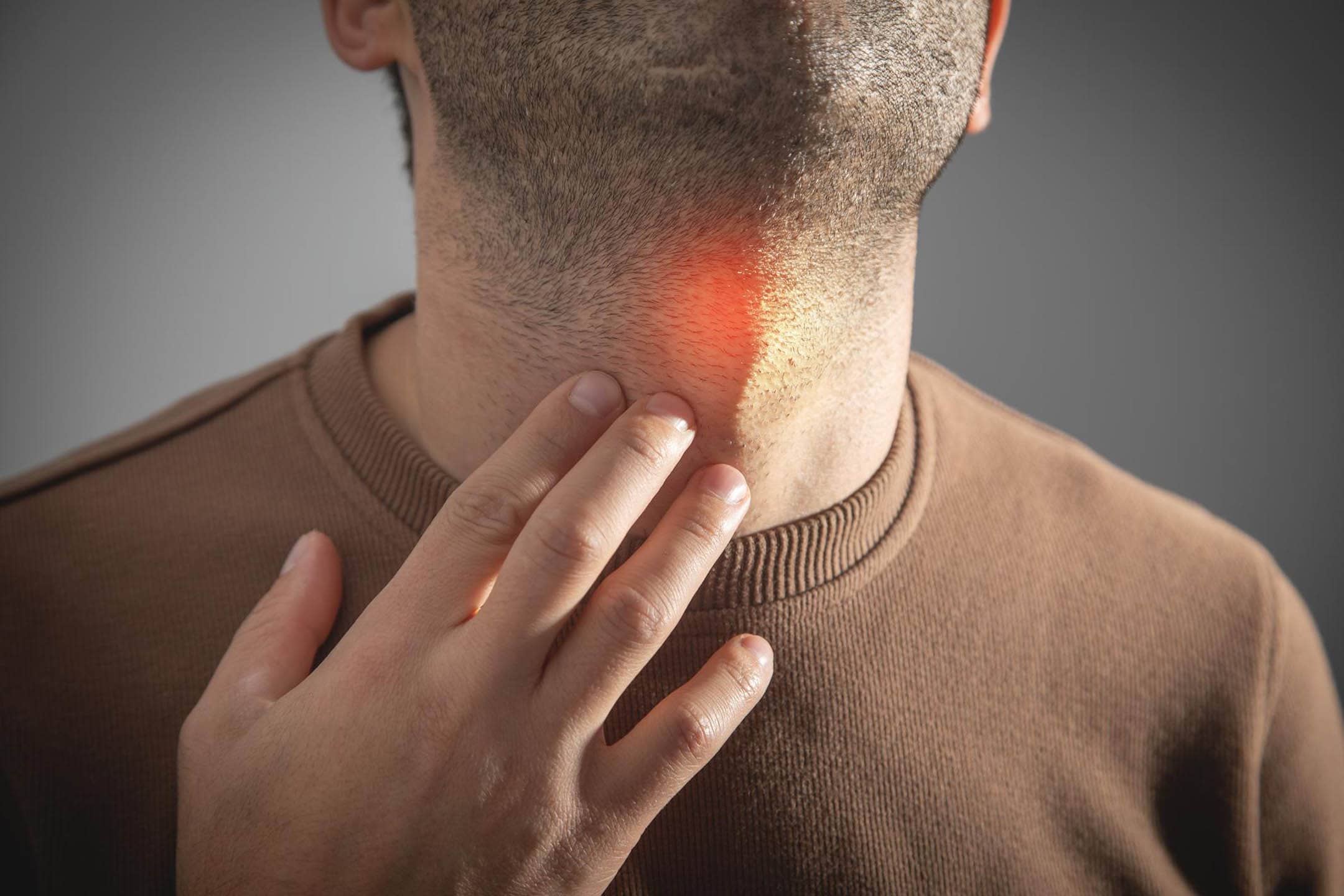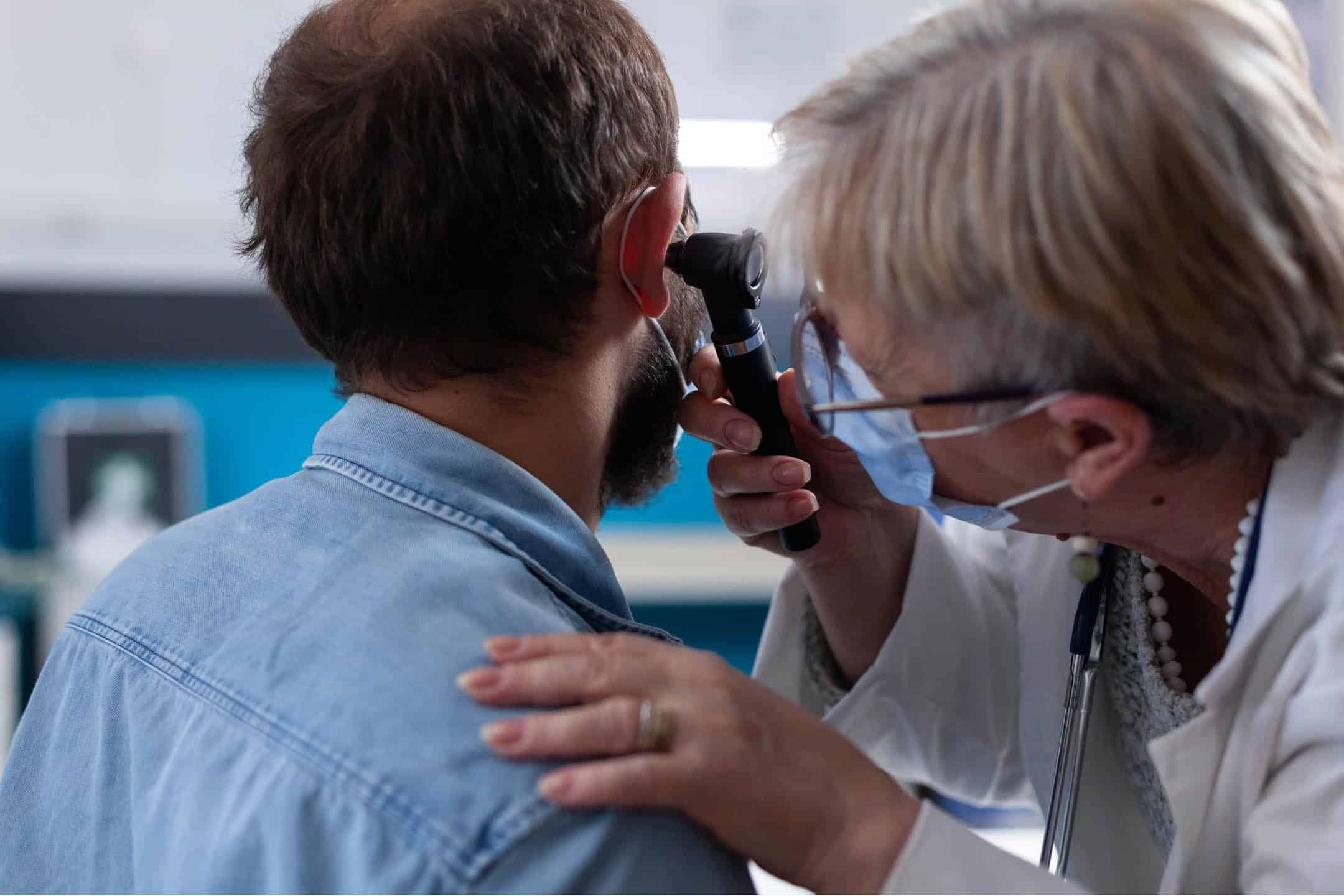
Turbinate reduction recovery is an important phase of treatment for patients seeking lasting relief from chronic nasal blockage. After years of congestion caused by swollen nasal tissue, surgery provides a clear airway and restores comfortable breathing. Understanding what to expect after the procedure (and following careful post‑operative care) is key to achieving long‑term success.
What Turbinates Do and Why Surgery Is Needed
Turbinates are curved, bony structures inside the nose, covered by a soft, vascular lining that warms, filters and humidifies air during breathing. When turbinates become enlarged, often due to allergies, chronic sinus inflammation or structural factors, they can block airflow. This causes constant nasal congestion, poor sleep, headaches and mouth breathing.
Surgery is considered when conservative options (such as steroid sprays, antihistamines and allergy management) do not provide adequate control. The goal of turbinate hypertrophy treatment is to reduce the size of the turbinates without removing them completely. Over‑reduction can cause dryness and crusting, so balance is crucial. The aim is better airflow with the tissue’s natural function preserved.
What Happens During Surgery
Several techniques can be used for inferior turbinate surgery, depending on the patient’s anatomy and cause of obstruction. Common approaches include radiofrequency ablation, microdebrider reduction and submucosal resection. These methods reduce the internal tissue volume while preserving the outer lining, minimising damage and promoting smoother healing. Most procedures are minimally invasive and completed as day surgery.
Patients typically receive either local or general anaesthesia, depending on the technique and clinical setting. Most people go home the same day after a short observation period. Mild bleeding, pressure or congestion are expected within the first 48 hours following surgery.
The First Week After Surgery
During the first week of nasal congestion surgery recovery, swelling and congestion are common. It is normal for your nose to feel blocked at first. This can peak around days two to three. This sensation reflects tissue inflammation responding to surgery. It does not mean that the operation has failed. The swelling gradually subsides over the following days.
Some patients may have dissolvable nasal packing to prevent bleeding, while others might not require packing at all. Mild crusting and discharge are common during early healing. Regular saline irrigation helps prevent dried secretions, reduces infection risk and keeps the nasal passages comfortable.
Breathing Improvement Timeline
Airflow improvement develops gradually. Most patients begin to notice relief after one to two weeks as swelling reduces and airflow increases. Full benefit may take four to six weeks. In some cases slightly longer as nerve sensitivity and tissue remodelling stabilise.
The pace of turbinate reduction recovery can vary. Factors such as allergy control, smoking status and consistent aftercare directly affect healing and long‑term results. Patients with persistent inflammation or untreated sinus problems may find recovery slower, but improvement still continues with time.
Essential Post Op Care
Successful recovery relies on clear and consistent post‑operative care. Following your surgeon’s advice helps reduce complications and supports optimal healing.
Saline Irrigation and Moisture
Daily saline rinses are vital during recovery. They wash away debris and crusting, helping to keep the nasal lining clean and moist. Adequate hydration and humidification support regrowth of healthy mucosa and reduce infection risk.
Activity Restrictions
For at least one to two weeks, avoid heavy lifting, vigorous exercise, bending forward and nose blowing. These actions can increase nasal pressure and trigger bleeding. Resting upright on extra pillows can also reduce swelling.
Medication Guidance
Your ENT surgeon may recommend restarting or introducing a topical steroid spray once the lining has healed sufficiently. This helps control ongoing inflammation or allergies. Pain after turbinate reduction is usually mild and managed with simple over‑the‑counter analgesia. Always follow prescribed medication guidance and avoid unapproved nasal decongestants during recovery.
Possible Complications
While inferior turbinate surgery is generally low‑risk, being aware of potential complications is important.
Short Term Risks
Mild bleeding, infection and temporary disturbance in the sense of smell are possible after nasal surgery. Most of these effects resolve with proper care, saline rinses and time.
Rare Long Term Issues
Rarely, excessive tissue removal (over‑resection) can lead to dryness, crusting or a condition known as Empty Nose Syndrome, in which nasal airflow feels abnormal despite a wide airway. Modern surgical techniques and careful planning at The ENT Consultancy are specifically designed to preserve structure and avoid this risk.
When to Seek Medical Advice
You should contact your surgical team immediately if any of the following occur after surgery:
- Persistent or heavy bleeding
- Fever or increasing facial pain
- Worsening nasal blockage after initial improvement
- Foul‑smelling discharge
- Difficulty breathing through the nose or severe swelling
These signs may indicate infection or delayed healing and require prompt medical attention.
Relief Comes With Patience
Turbinate reduction provides lasting improvement for patients whose nasal blockage does not respond to medication. Early swelling can make results hard to notice, but with proper post op nasal care, patience and realistic expectations, breathing comfort steadily improves. Over a few weeks, most patients report easier airflow, better sleep and reduced sinus pressure.
If you are struggling with chronic nasal congestion or want to know whether turbinate reduction could help you, contact The ENT Consultancy to arrange a consultation and personalised recovery plan.