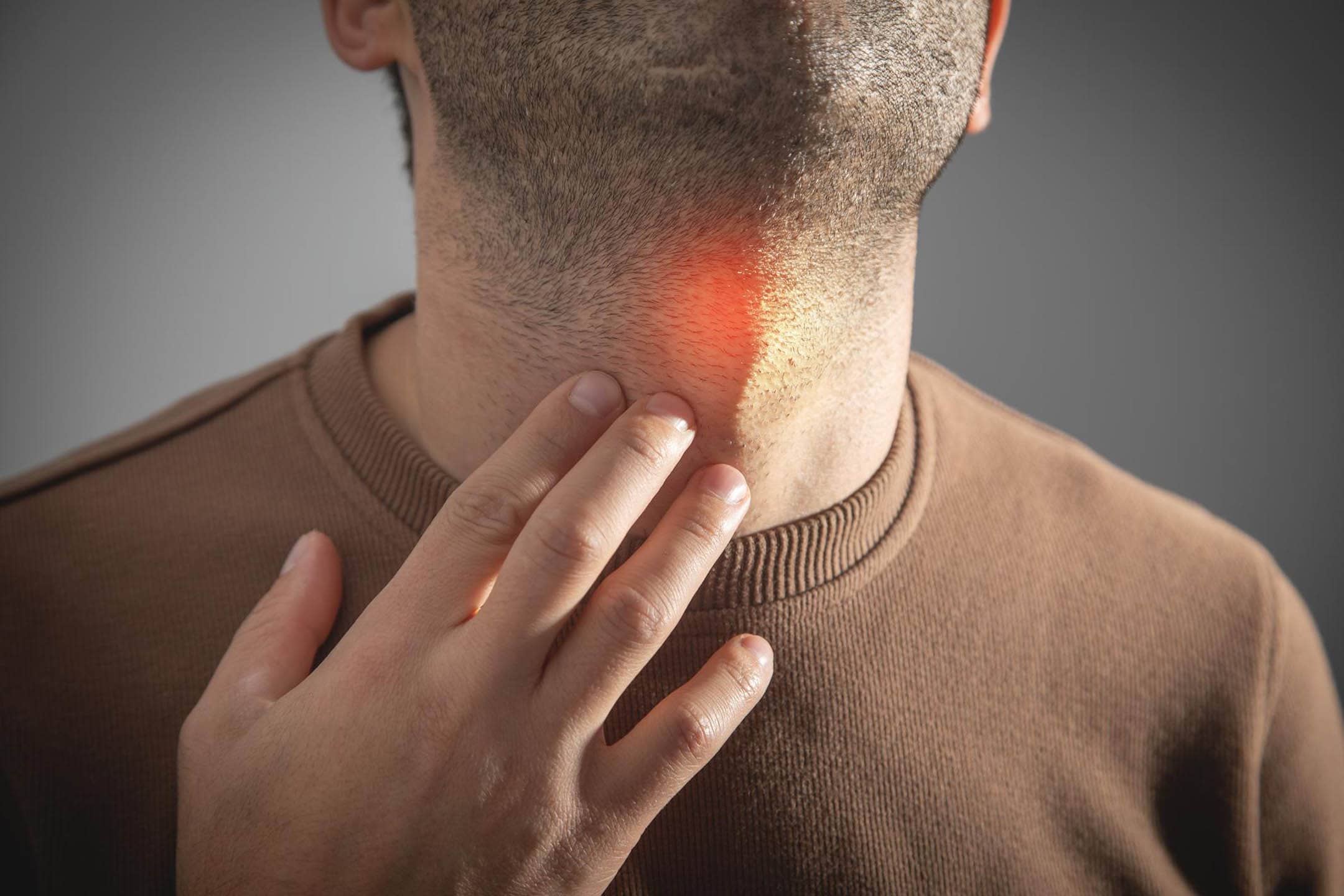
Dysphagia means difficulty swallowing. It is not a condition in itself but a symptom of an underlying problem. In adults it should never be ignored. Swallowing is a finely coordinated process involving muscles, nerves and structures in the mouth, throat and oesophagus. When something goes wrong, the early signs can be subtle, but recognising dysphagia symptoms early allows prompt assessment and reduces the risk of serious complications.
Common Symptoms of Dysphagia
Difficulty swallowing can present in different ways depending on where the problem lies and what structures are involved. Many people notice changes gradually and may adapt without realising there is an issue.
- Difficulty Swallowing Food or Drink
Food may feel slow to go down or seem to stick in the throat or chest after swallowing. This can affect solid foods, liquids or both, and may be intermittent or constant. Difficulty swallowing adults often describe starting meals normally but struggling more as eating continues.
- Pain When Swallowing
Pain during swallowing is known as odynophagia. It often points to inflammation, infection, ulceration or injury in the throat or oesophagus. Pain should never be dismissed, especially if it is new, persistent or worsening.
- Sensation of Food Sticking
Many people report the feeling that food is lodged behind the breastbone or at the base of the neck. This is one of the most classic swallowing problems signs and can indicate narrowing, inflammation or abnormal muscle movement in the swallowing pathway.
- Needing Extra Effort to Swallow
Taking smaller bites, chewing for longer, drinking water to wash food down or using repeated swallows to clear food can all signal a developing swallowing problem. These coping strategies often appear before people recognise dysphagia itself.
Symptoms That Often Occur Alongside Dysphagia
Swallowing difficulties frequently occur with other symptoms that help ENT specialists identify the cause.
- Coughing or Choking When Eating
Coughing during meals suggests that food or liquid may be entering the airway instead of the oesophagus. This is known as aspiration and increases the risk of chest infections and pneumonia.
- Regurgitation of Food
Food coming back up after swallowing can indicate a blockage, narrowing or poor coordination of the swallowing muscles. Regurgitation is different from vomiting and is a key clue in assessing dysphagia symptoms.
- Hoarse Voice or Voice Changes
Voice changes after eating or drinking may occur when irritation or aspiration affects the vocal cords. A wet or gurgly voice after swallowing is particularly concerning and should be assessed.
- Excess Saliva or Drooling
Difficulty managing saliva is common in neurological causes of dysphagia. Drooling or experiencing excessive saliva can indicate reduced swallowing control.
Warning Signs That Need Urgent Review
Some dysphagia symptoms suggest a higher risk condition and should prompt urgent medical assessment.
- Unexplained Weight Loss
Weight loss associated with swallowing difficulty suggests reduced intake or a serious underlying cause. This combination should always be investigated promptly.
- Persistent Chest Pain
Chest pain that is not related to exertion and worsens with swallowing may come from the oesophagus rather than the heart. This symptom needs investigation to exclude inflammation, narrowing or malignancy.
- Food Getting Stuck Suddenly
A sudden blockage where food will not pass and may require spitting or vomiting is a medical emergency. Immediate medical help is needed to prevent airway obstruction.
- Recurrent Chest Infections
Repeated chest infections may result from silent aspiration, where food or liquid enters the lungs without obvious choking. This is a serious complication of dysphagia.
Common Causes of Dysphagia
Understanding the potential causes helps explain why early assessment is so important.
- Throat and Oesophageal Conditions
Inflammation, infection, acid reflux disease, strictures and tumours can all interfere with normal swallowing. Reflux‑related inflammation is common, but structural narrowing or growths must be excluded, particularly when symptoms progress.
- Muscle and Nerve Disorders
Swallowing relies on precise nerve control. Stroke, Parkinson’s disease, multiple sclerosis, motor neurone disease and other neurological conditions commonly affect swallowing coordination and strength.
- Structural Problems
Enlarged thyroid glands, cervical spine changes, pouches such as pharyngeal diverticula or external compression from nearby structures can obstruct or distort the swallowing pathway.
When to Seek Medical Help
Persistent swallowing difficulty should always be assessed by a clinician. Symptoms that slowly worsen over time are particularly concerning and should not be monitored indefinitely. This pattern often suggests a neurological, muscular or structural cause rather than a temporary irritation. Knowing when to see a doctor for dysphagia is key to avoiding delays in diagnosis.
What to Expect From Assessment
Assessment begins with a detailed history and examination to identify whether the problem arises in the throat or the oesophagus. You may be referred for investigations such as endoscopy, imaging scans or specialist swallowing studies to confirm the cause and guide treatment. Referral to an ENT clinic ensures the problem is assessed by specialists familiar with complex swallowing disorders.
Do Not Ignore Swallowing Problems
Dysphagia is a warning sign, not a minor inconvenience. Early assessment reduces the risk of complications such as aspiration, malnutrition, dehydration and delayed diagnosis of serious disease. Difficulty swallowing that persists, worsens or interferes with eating, drinking or quality of life should always be medically reviewed.
If you are experiencing dysphagia symptoms or ongoing difficulty swallowing, contact The ENT Consultancy to arrange a specialist assessment and get clear, expert advice.