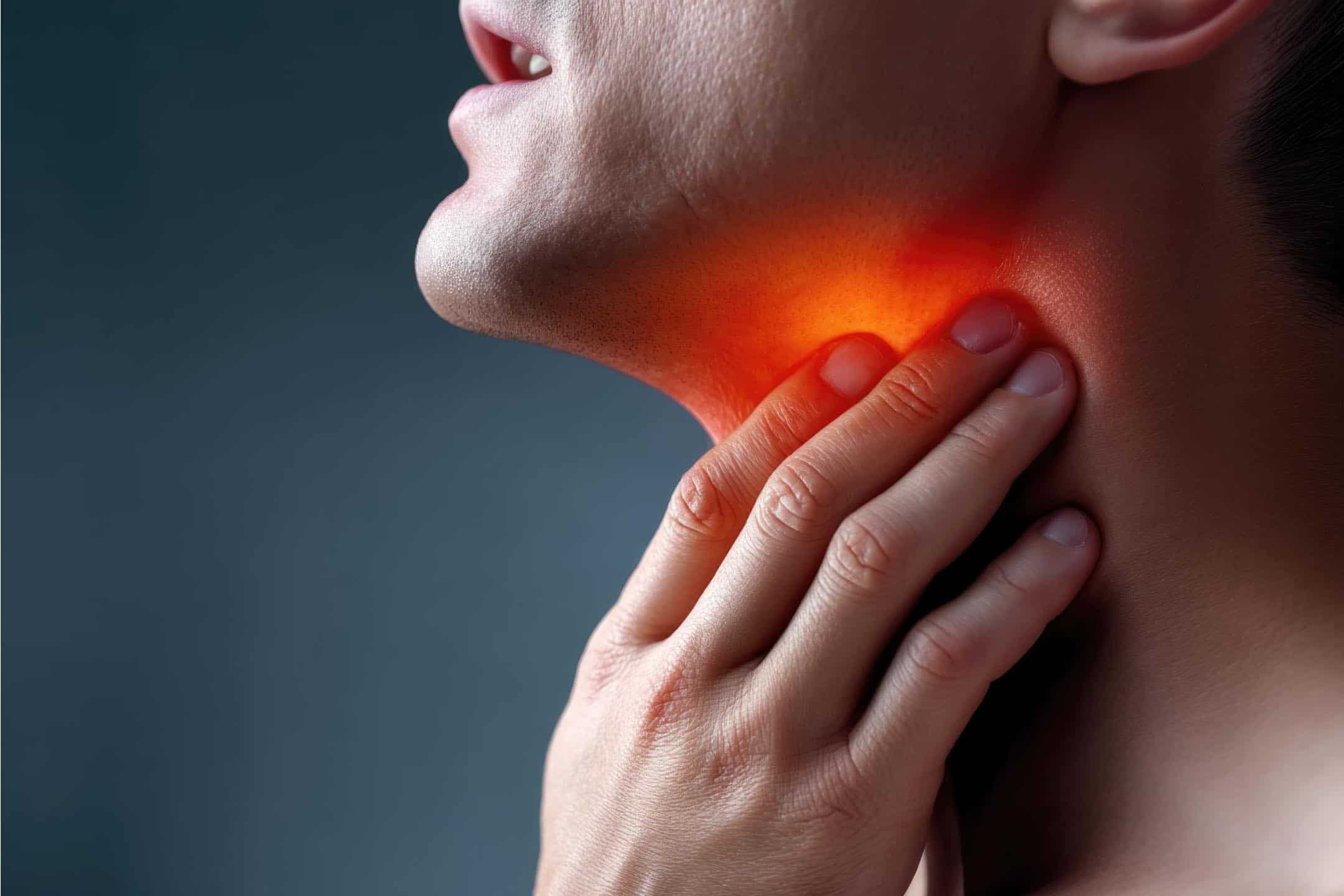
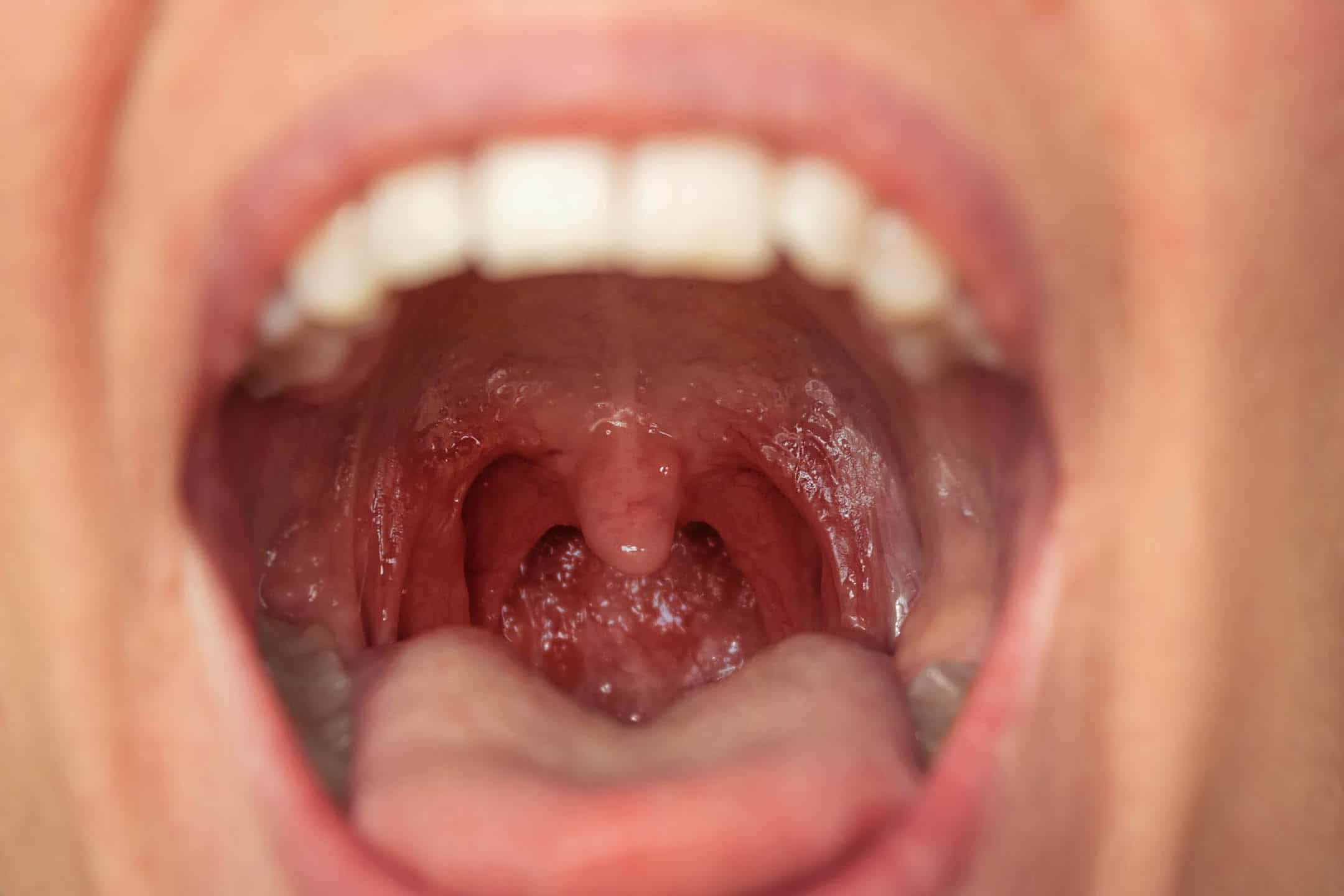
A feeling of fullness or pressure in the ear is a common experience that most people encounter at some point in their life. Often, it is harmless and temporary, caused by everyday factors like changes in air pressure or mild congestion. However, this sensation can sometimes signal underlying medical issues that require attention. While many experience ear fullness, few fully understand the variety of causes behind it. Knowing what might be triggering this discomfort can help you decide when to seek help and how to find relief.
Common Causes of Ear Fullness
Ear fullness can arise from several everyday triggers that affect the ear’s delicate balance.

Earwax Build-Up
Earwax is a natural substance that protects the ear canal by trapping dust and debris. Some people produce more wax than others, which can accumulate and block the ear canal. This build-up can cause muffled hearing, a blocked sensation, and discomfort or mild pain. Many attempt to remove earwax at home using cotton buds or other objects, but this can push wax deeper, worsen blockages, or damage the ear canal. Safer removal options include professional cleaning by an ENT consultant or trained nurse, who will use specialised techniques like microsuction to clear wax safely.
Sinus or Allergy Problems
The sinuses and ears are connected via the Eustachian tube, which helps equalise pressure. When sinuses are inflamed due to seasonal allergies, hay fever or common colds, swelling can block this tube. This congestion prevents normal pressure regulation, leading to a sensation of fullness or pressure in the ears. Over-the-counter remedies like decongestants or antihistamines may provide relief, but persistent or severe symptoms often require medical treatment to reduce inflammation and restore normal function.
Changes in Air Pressure
Air travel, scuba diving and mountain driving expose the ears to rapid changes in external pressure. The Eustachian tube normally equalises this pressure by opening briefly during swallowing or yawning. When this mechanism is impaired, the difference in pressure causes the familiar “popping” sensation and ear fullness. Simple techniques such as yawning, swallowing or chewing gum can help open the tube and relieve discomfort during these activities.
Medical Conditions to Consider
While ear fullness is often minor, it can sometimes indicate more serious conditions that need prompt medical evaluation.
Ear Infections
Acute otitis media is a common ear infection, especially in children, where fluid builds up behind the eardrum. This fluid causes pressure, pain and sometimes hearing loss. Unlike mild congestion, ear infections often present with fever, severe pain and sometimes discharge. Identifying these signs early is important for effective treatment.
Eustachian Tube Dysfunction
The Eustachian tube plays a crucial role in maintaining ear pressure balance. Dysfunction occurs when the tube is blocked or fails to open properly, causing symptoms like blocked ears, popping sensations and hearing changes. Chronic sinus problems, colds or allergies are common causes of this dysfunction.
Less Common Causes
Rarely, ear fullness may be linked to conditions such as Meniere’s disease, which includes vertigo, tinnitus and hearing loss. Sudden sensorineural hearing loss is a medical emergency that requires immediate attention. In very rare cases, benign growths or tumours in the ear or nearby structures can cause pressure sensations.
When to See an ENT Specialist
Seek medical advice if your ear fullness lasts more than a week, is accompanied by severe or worsening pain, sudden hearing loss, dizziness, ringing in the ear or discharge. Recurrent infections or persistent blocked ears also warrant evaluation by an ENT specialist to prevent complications.
How an ENT Clinic Can Help
- Initial consultation and examination with an otoscope: The ENT consultant will visually inspect the ear canal and eardrum to identify blockages or infections.
- Hearing tests to check for hidden problems: Audiometry assesses hearing function to detect any loss or changes.
- Wax removal methods like microsuction: Safe and effective removal of earwax using specialised equipment.
- Prescribing antibiotics or antihistamines when appropriate: Medical treatment to address infections or allergies.
- Advanced scans or referrals for rarer conditions: Imaging and specialist referrals ensure comprehensive diagnosis when needed.
Living Comfortably with Healthy Ears
To reduce ear fullness and maintain ear health, consider these practical tips:
- Avoid poking inside ears with cotton buds or other objects
- Manage allergies effectively to minimise flare-ups
- Stay hydrated and use nasal sprays to relieve congestion
- Use equalisation techniques such as yawning or chewing gum during flying or diving
- Schedule regular ENT check-ups if you are prone to ear problems
Understanding and Managing Ear Fullness for Better Comfort
Most causes of ear fullness are minor and easily treated with appropriate care. However, persistent or severe symptoms require medical review to prevent long-term damage and improve comfort. Early intervention by ENT consultants ensures accurate diagnosis and personalised treatment, helping you maintain healthy ears and clear hearing.
If you experience ongoing ear fullness or pressure, contact The ENT Consultancy today to arrange a consultation and take the first step towards relief.