The ability to feel, balance and respond to the world around us depends on an intricate network of nerves and sensory pathways. When that system is damaged, people may experience numbness, weakness, altered sensation or pain. Sensory function recovery combines medical, therapeutic and lifestyle strategies to restore nerve communication and improve daily function. With early intervention and consistent support, meaningful progress is often possible even after significant injury or illness.
Understanding Sensory Function and Why It Fails
Sensory function depends on communication between the skin, muscles, spinal cord and brain. Damage anywhere along this pathway can disrupt how signals are received and interpreted.
What Is Sensory Function?
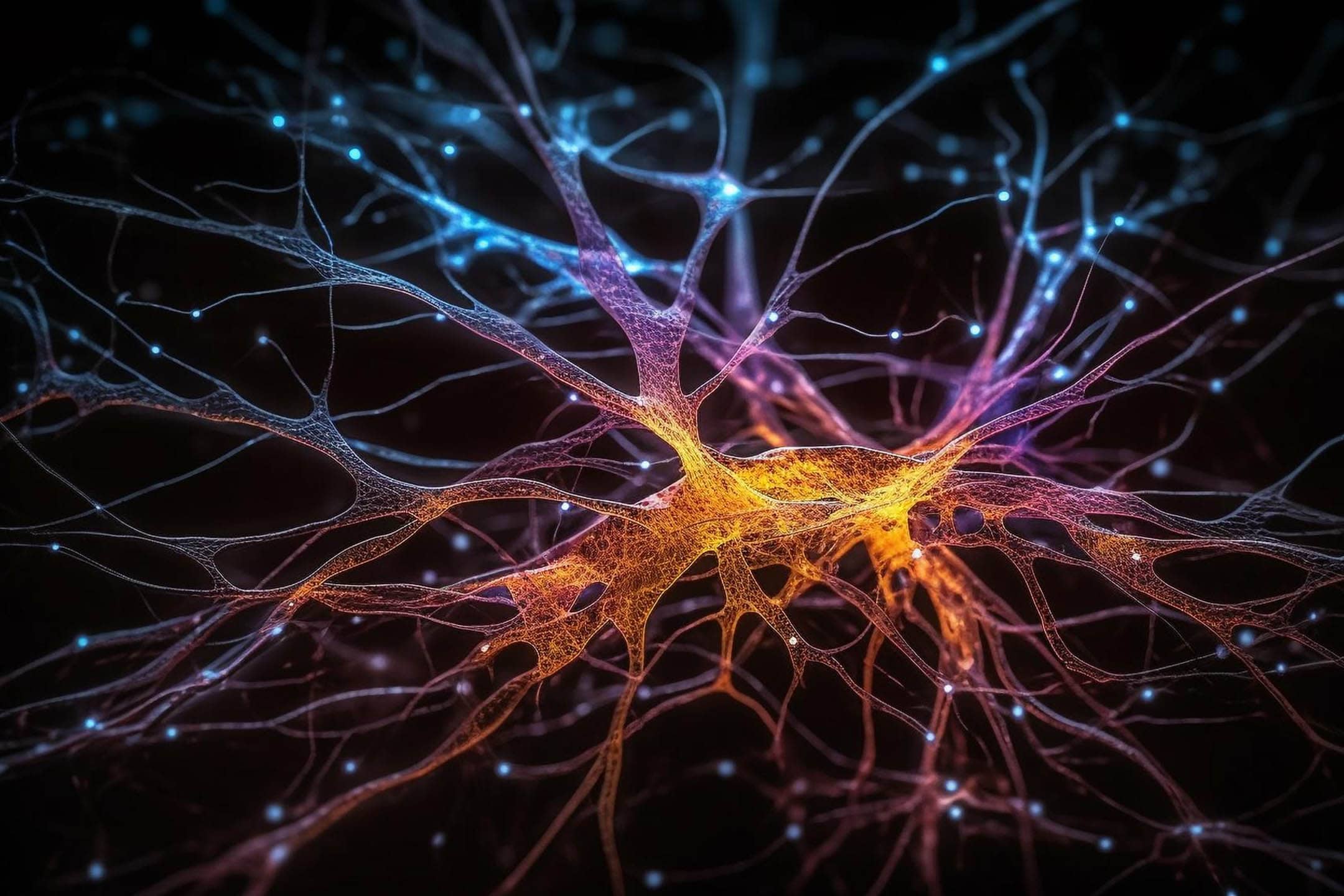
Sensory function refers to the body’s ability to detect and interpret touch, temperature, pain, vibration, balance and body position (proprioception). Peripheral nerves transmit information from the skin and muscles to the spinal cord, where it is processed and sent to the brain. The brain then interprets these signals, allowing movement, posture and safe interaction with the environment.
Common Causes of Sensory Loss
Sensory loss occurs when nerve communication is interrupted by disease, injury or degeneration. Common causes include:
Peripheral neuropathy: damage to the peripheral nerves from conditions such as diabetes or vitamin deficiency.
Stroke: a sudden reduction in blood flow to the brain causing loss of sensation on one side of the body.
Multiple sclerosis (MS): an autoimmune condition that disrupts nerve signal transmission in the central nervous system.
Diabetes: poorly controlled blood sugar damages small blood vessels supplying peripheral nerves.
Traumatic injury: including crush injuries or lacerations affecting nerve tissue.
Post-surgical nerve damage: when nerves are stretched or irritated during surgery.
Inflammation, compression or degeneration all reduce the ability of nerves to carry messages efficiently, leading to partial or complete sensory deficit.
Clinical Treatments That Support Sensory Recovery
Modern nerve damage treatment combines medical therapies, structured rehabilitation and surgery in some cases. The goal is to stimulate healthy nerve pathways and restore function wherever possible.
Physiotherapy and Sensory Re‑education
Targeted physiotherapy is integral to sensory rehabilitation. Programmes include graded exposure to different textures, temperatures and vibration, and coordination or proprioceptive exercises that encourage the brain to reorganise through neuroplasticity. Regular, structured retraining helps the nervous system adapt and recover function over time.
Occupational Therapy
Occupational therapy sensory rehabilitation focuses on practical independence. Therapists use task‑specific training, hand therapy after nerve injury and adaptive techniques to help patients perform daily activities safely. This approach improves confidence and social participation, even when full sensation does not return immediately.
Medication for Neuropathic Symptoms
Medical management often supports rehabilitation. Common neuropathy treatment includes anticonvulsants such as gabapentin, antidepressants like amitriptyline or duloxetine, and topical creams or patches for local nerve pain. These options help control discomfort and secondary sleep disruption but do not directly repair nerve tissue.
Surgical Intervention
Surgery may be required when nerves are physically compressed or severed. Procedures such as decompression for carpal tunnel syndrome or direct nerve repair after injury can restore transmission and reduce pain. Recovery following nerve surgery varies. Regeneration typically takes months and may require ongoing therapy.
Advanced Therapies and Emerging Research
Research continues into electrical nerve stimulation, mirror therapy and regenerative cell treatments designed to promote neurological recovery. Some of these approaches remain experimental but show promising results in improving motor and sensory outcomes after significant injury.
Lifestyle Adjustments That Aid Sensory Recovery
Alongside clinical care, day‑to‑day habits have a measurable impact on nerve healing and overall neurological health.
Blood Sugar Control and Metabolic Health
For people with diabetes or metabolic syndrome, maintaining stable blood glucose is a vital part of nerve damage treatment. Regular monitoring, balanced diet and medication adherence can slow or prevent further nerve deterioration associated with diabetic neuropathy.
Nutrition for Nerve Health
Certain nutrients are essential for nerve repair. B vitamins, particularly B1, B6 and B12, support nerve metabolism, while omega‑3 fatty acids and antioxidants reduce inflammation. A nutrient‑rich diet is preferable to supplements unless confirmed deficiency exists.
Physical Activity and Circulation
Gentle aerobic exercise, stretching and balance training improve blood flow, reduce inflammation and help re‑educate sensory pathways. Activities like yoga, walking or swimming enhance coordination and lower the risk of falls during sensory rehabilitation.
Sleep and Stress Management
Chronic stress and sleep deprivation interfere with nerve healing and brain plasticity. Maintaining regular sleep routines, practising relaxation techniques and managing anxiety promote a better environment for neurological recovery.
Managing Expectations: Recovery Timelines
Peripheral nerves regenerate slowly, usually about 1 mm per day under optimal conditions. Central nervous system recovery, such as after stroke or spinal injury, follows a different pattern and may rely on compensatory pathways rather than direct regrowth.
Results vary between individuals. Recovery is influenced by age, injury severity, speed of diagnosis, access to therapy and overall health. Early intervention and multidisciplinary care remain key predictors of functional improvement.
When to Seek Specialist Assessment
Progressive numbness, loss of balance, new weakness or unexplained pain require prompt medical review. Any worsening or spreading of sensory loss may indicate a serious neurological or metabolic problem. Timely referral to an ENT or neurorehabilitation specialist ensures that treatable causes are identified and managed before permanent damage occurs.
Combining Clinical Care and Daily Habits
Effective sensory function recovery depends on coordinated medical care, structured rehabilitation and consistent healthy habits. Combining clinical expertise with nutrition, exercise and stress control maximises the body’s natural ability to heal. With realistic goals, early support and persistence, many people regain comfort and independence after sensory impairment.
If you are experiencing unexplained sensory changes, contact The ENT Consultancy for expert assessment and tailored rehabilitation advice.