Ear wax (cerumen) is a natural and important substance, but when it builds up, it can cause significant discomfort and hearing problems. Many Berkshire patients experience ear wax blockage, particularly if they use hearing aids, earphones or cotton buds regularly. Understanding what causes ear wax impaction and how to manage it safely is essential to prevent complications and protect ear health.
Understanding Ear Wax and Its Function
The ear produces wax to protect and maintain the health of the ear canal. Cerumen contains natural oils and antibacterial properties that trap dust, dead skin and microorganisms, preventing infection and keeping the delicate canal skin lubricated. Its sticky texture forms a barrier against foreign particles and water.
Problems occur when wax fails to clear naturally and becomes impacted. This happens when the ear’s self‑cleaning mechanism, which moves wax outward, is disrupted. Common causes include the use of cotton buds that push wax deeper, tight ear canals, hearing aids or frequent earphone use. Over time, the wax hardens and causes impacted ear wax symptoms, including discomfort and temporary hearing loss.
Common Symptoms of Ear Wax Blockage
Blocked ears can cause multiple symptoms, varying from mild irritation to significant hearing changes.
Hearing Changes
Ear wax blockage commonly leads to conductive hearing loss, where sound cannot pass efficiently through the ear canal. Patients describe muffled hearing or a sensation similar to having been underwater.
Discomfort and Pressure
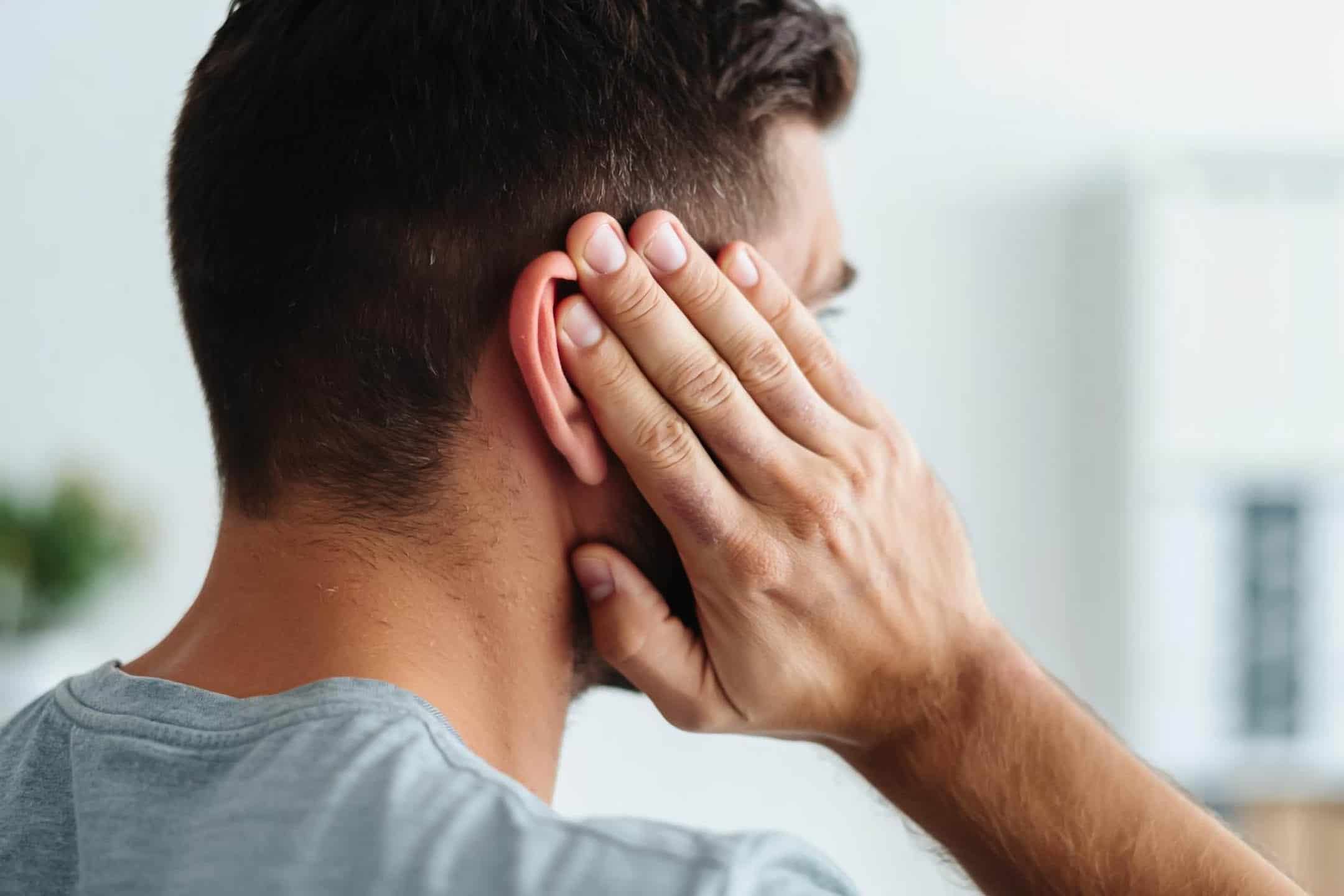
A feeling of fullness or pressure in the ear, or mild ear pain is often reported when wax builds up. In some cases, the ear may itch or feel irritated, particularly if the wax is dry or compact.
Tinnitus and Balance Disturbance
Ringing, buzzing or humming noises may appear when the wax presses on the eardrum. Occasionally, imbalance or mild dizziness occurs because of pressure changes within the ear canal.
Clinical Risks and Complications
While often harmless, untreated ear wax impaction can increase the risk of infection, inflammation and device‑related issues.
Increased Infection Risk
Trapped moisture behind hardened wax creates an ideal environment for bacteria to multiply, leading to otitis externa (outer ear infection). This can cause pain, redness and discharge.
Inflammation of the Ear Canal
Long‑standing wax blockage irritates the ear canal lining, causing inflammation, swelling and tenderness. The skin may become more prone to itching and infection if the blockage is not treated.
Impact on Hearing Aid Users
For hearing aid users, ear wax can block the device’s sound output and distort hearing. It also increases the likelihood of recurrent wax build‑up, as the earmould prevents natural clearance. Regular ear wax removal is therefore required for effective device performance.
How Ear Wax Blockage Is Diagnosed
Diagnosis begins with an otoscopic examination, where an ENT clinician uses a lighted instrument to look inside the ear canal. This allows direct visual confirmation of wax impaction and rules out issues such as infection or eardrum perforation.
Occasionally, further assessment is required when symptoms do not match the appearance of wax. Hearing tests or balance evaluations may be arranged if additional causes, such as middle ear problems, are suspected before planning blocked ear treatment.
Safe Treatment Options
There are several safe, effective methods to clear a blocked ear, depending on the amount and consistency of the wax.
Microsuction
Ear wax microsuction is now considered the preferred clinical approach in most UK ENT and audiology settings. It uses a fine suction device under direct visual guidance to gently remove wax without water, minimising the risk of infection and discomfort.
Irrigation
Water irrigation, previously known as ear syringing, may be suitable when the eardrum is healthy and wax is soft. It involves flushing the canal with warm water to dislodge debris. This method is generally avoided in patients with a history of ear surgery, perforation or recurrent infections.
Why Home Removal Can Be Risky
Attempting home removal can damage the delicate ear canal or push wax deeper. Cotton buds, hairpins and ear candles are unsafe and may worsen blockage or cause burns or perforation. Professional ear wax removal by a trained specialist is the safest solution.
When to Seek Medical Advice
Certain symptoms require prompt medical review. Severe ear pain, sudden hearing loss, persistent discharge, vertigo, balance disturbance or symptoms that do not improve after softening drops should all be checked by an ENT specialist. Early intervention reduces complications and ensures appropriate blocked ear treatment.
Early Assessment Prevents Complications
Ear wax blockage is one of the most common and easily treatable causes of hearing changes in adults and children. When identified early and treated safely by a professional, recovery is quick and complications are rare. Avoiding DIY removal, using softening drops cautiously and scheduling regular ear health checks if you wear hearing aids all contribute to lasting ear protection.
If you’re experiencing muffled hearing or suspect impacted ear wax, contact The ENT Consultancy to arrange safe and professional ear wax removal in Berkshire.