Septoplasty is a surgical procedure designed to correct a deviated nasal septum; the thin wall of cartilage and bone that separates the two nostrils. When the septum is crooked or displaced (deviated), it can block airflow and lead to breathing difficulties, snoring and frequent sinus infections. Septoplasty helps straighten the septum to improve nasal function, enhance breathing and support better sinus drainage.
Why Septoplasty Is Performed
Common Reasons for Surgery
Septoplasty is most often recommended to treat symptoms such as chronic nasal obstruction, mouth breathing, snoring or recurrent sinus infections that do not improve with medication. By correcting the underlying structural issue, septoplasty can significantly improve quality of life.
Symptoms That Might Lead to Surgery
Typical signs that may lead to a septoplasty consultation include a persistently blocked nose, one-sided airflow, frequent nasal discharge or pressure. Many patients also report difficulty sleeping or exercising comfortably due to impaired nasal breathing.
Preparing for the Procedure
Pre-Op Assessment and Tests
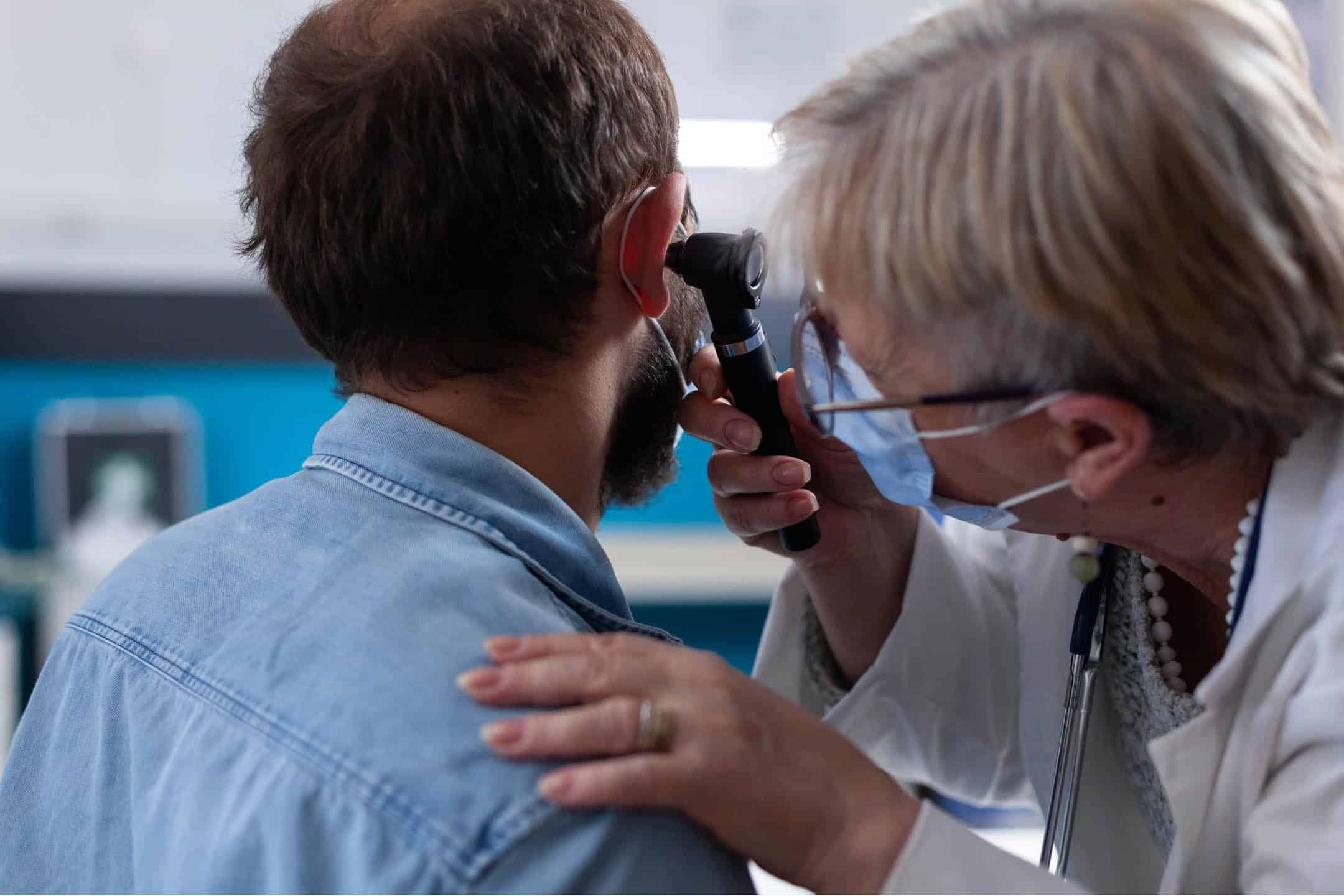
Before septoplasty surgery, you will attend an ENT consultation where your symptoms and medical history will be reviewed. An examination using a nasal endoscope may be carried out to assess the inside of the nose. In some cases, additional imaging such as a CT scan may be advised to evaluate the nasal passages and sinuses more closely.
Medication and Fasting Guidelines
In preparation for surgery, you may be advised to stop taking certain medications, particularly blood thinners, to reduce the risk of bleeding. Your surgeon will also provide instructions about fasting to ensure a safe anaesthetic. This typically involves consuming no food or drink for several hours before the procedure.
What Happens During Surgery
Anaesthesia and Setting
Septoplasty can be performed under general or local anaesthesia depending on the complexity of the case and patient preference. It is usually carried out as a day surgery, meaning you can return home on the same day, although someone will need to accompany you.
Surgical Steps Explained Simply
During septoplasty, the surgeon makes a small incision inside the nose to access the septum. Sections of cartilage or bone causing obstruction are either straightened, repositioned or trimmed to create a clear airway. Importantly, no external cuts are needed. The shape of the nose is not changed.
Use of Splints or Sutures
To support the septum during healing, small plastic splints or soft internal packing may be placed inside the nose. These are secured with dissolvable or removable sutures and are typically taken out during a follow-up appointment a few days later.
Immediately After Surgery
Recovery and Monitoring
After the procedure, you will be taken to a recovery room where nurses will monitor your vital signs and check for any immediate concerns. Once you are fully awake and stable, you will be allowed to go home with clear aftercare instructions.
Common Immediate Effects
It is normal to experience mild bleeding, nasal congestion or drowsiness in the hours following septoplasty. Your nose may feel blocked due to swelling or the presence of splints, but this will gradually improve over the following days.
Recovery at Home
Managing Pain and Swelling
Mild discomfort, facial pressure or nasal congestion are common after septoplasty surgery. You will be given advice on using pain relief, such as paracetamol or ibuprofen. It is also important to rest with your head elevated to reduce swelling.
What to Avoid During Healing
To promote smooth healing, you should avoid blowing your nose, lifting heavy objects, bending over or being in dusty or smoky environments. Gentle saline sprays may be recommended to keep the nasal passages moist and aid recovery.
Follow-Up Appointments
Follow-up care is an important part of septoplasty recovery. Splints or internal dressings are usually removed after 5 to 7 days, and your surgeon will check the progress of healing. Any persistent symptoms can be discussed at these appointments.
Risks and Complications
Short-Term Concerns
Like any surgical procedure, septoplasty carries some short-term risks. These include bleeding, infection or the formation of a septal haematoma (a collection of blood between the cartilage layers). Prompt medical attention reduces the risk of these becoming serious.
Long-Term Risks
Although rare, long-term complications can include persistent nasal obstruction, altered nasal shape or the need for revision surgery if symptoms do not fully resolve. Careful surgical technique and appropriate aftercare minimise these risks.
A Straightforward Procedure with Careful Recovery
Septoplasty is a straightforward and effective procedure to correct a deviated nasal septum, improve breathing and relieve sinus issues. With proper preparation, skilled surgical care and attentive recovery, most people experience a smooth healing process and significant improvement in their nasal function.